Romeo Santos and Prince Royce: What is Their Responsiblity to the Latino Community?

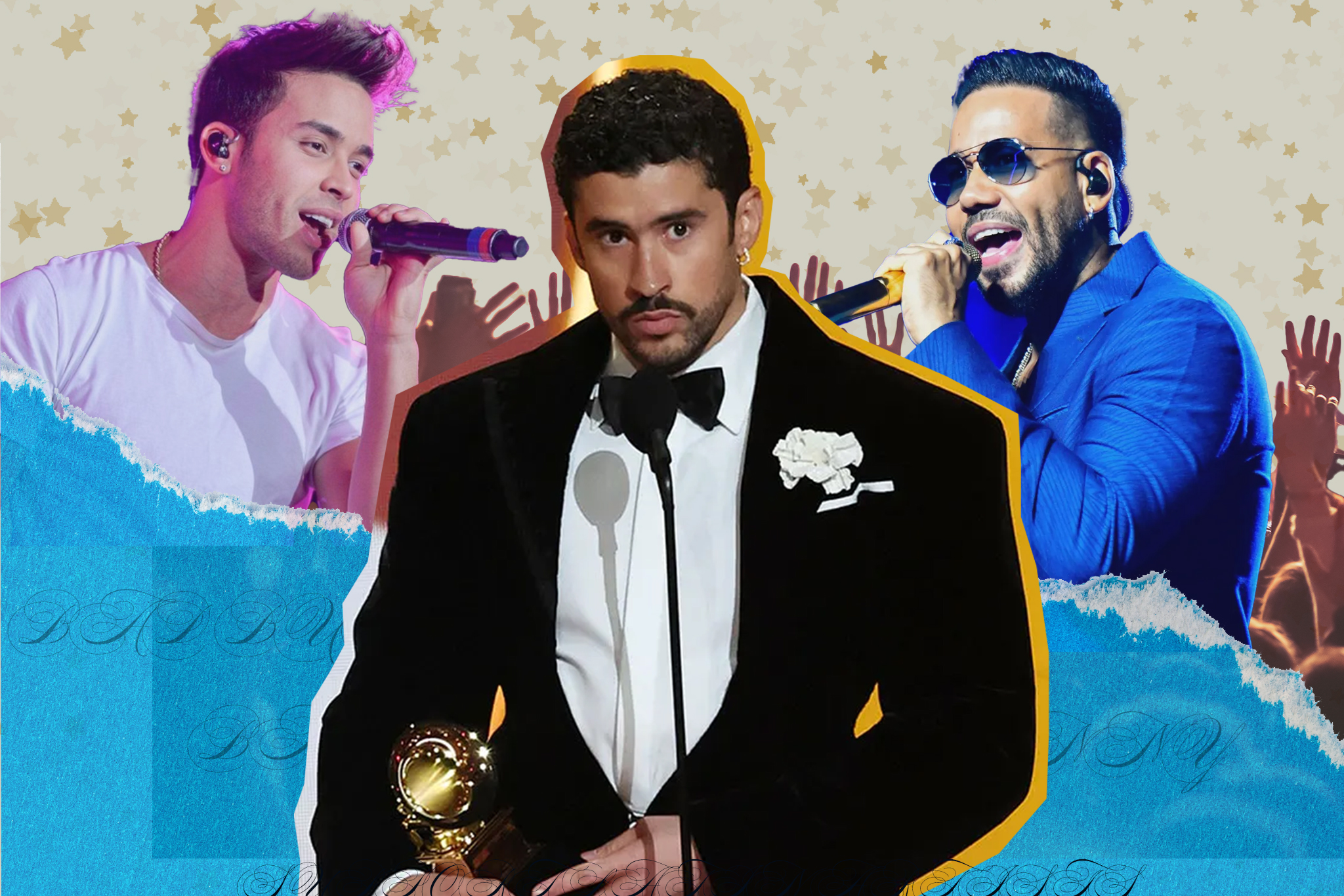
Graphic by Maya Pegues
Bachata is a beloved Latin music and dance style, but this hasn’t always been the case. Early bachata was stigmatized because of its origins in the Dominican Republic’s more rural, often poor areas with limited access to education. First called “belero campesino” or “commoners dance,” this style of music was despised by Rafael Trujillo, the Dominican dictator at the time. During Trujillo’s reign, music was monopolized by Trujio and his family. He believed music should reflect positively on society, so local media didn’t support bachata; it was mostly hidden from the mainstream and looked down upon by the upper class and city populations. This stigma continued into the 1970s, with the upper classes even using the word bachata as an insult.
Deborah Pacini Hernandez, an Anthropology and American studies professor at Tufts University, compares bachata to blues music, saying in an NPR article, “The Humble Roots of Old-School Bachata”, “I think in terms of, structurally, the kind of folks who were making it, people on the margins of society.” That is, bachata is inherently political in its conception and its early audience. Romeo Santos, “The King of Bachata,” acknowledges these same sentiments, stating in an interview with The New York Times that bachata originated from “las humildes provincias” of the Dominican Republic.
Trailblazers like Santos and Prince Royce were among the first Latino artists to bring bachata to mainstream success in the American music industry. Better, they championed the global popularization of Latin music. Without their efforts, dedicated Latin music categories at the Grammys would not be possible. I grew up listening to Royce’s group, Aventura, with my mother. Over time, bachata became my own love. Nowadays, the next generation of Latino artists is rising, while bachata legends seem to be slowly losing their steam. Some artists feel left behind as they watch new Latin artists like Bad Bunny being invited to participate in opportunities they’re continually denied. To Santos and Royce, their impact as Latin musicians may feel reduced or overlooked. However, what artists like Santos and Royce are failing to understand is the disconnect between them and the current Latino community. As bachata transformed from a marginalized genre into an internationally celebrated style, its political and cultural importance was minimized. Worse, to Latin audiences, the once pioneers of this genre seem culpable in its breakdown.
Fans of bachata have noticed contradictions amongst the messaging of their favorite artists. I have too. During his 2015 concert in New York, Santos boldly exclaimed, “fuck Donald Trump,” but has since publicly stated regret for the comment as it was not “respectful” or “diplomatic.” In an interview with The New York Times Popcast, Santos and Royce continue to backtrack from their early political messaging. Their community, the same Latino community that’s been loyal to them are being targeted, but when asked about whether they have a role to play in modern politics, Royce declares, “I think it’s a complicated question,” and Santos states, “I think artists should stick to music.” But music and art have been, and always will be, political. Especially bachata. The very style of music these two men claim to rule is rooted in political resistance. And now they want to take a step back?
We can acknowledge the impact that Royce and Santos have on Latin art and even understand their frustration at seemingly being left behind, but we cannot excuse their seeming unwillingness to move forward with their audience. It’s not bachata that is being criticized right now; it’s these two men for failing to stand up for their community. Nostalgia is a powerful tool, but it’s not enough to sustain growth in their fanbase. Their responses aren’t really all that surprising, as they are not the first to believe that as long as one falls in line and continues to appease white supremacy, their proximity to whiteness will protect them. Assimilation can mean survival. But times are changing, so maybe it’s time Romeo Santos and Prince Royce root themselves in this history of Bachata rather than trying to believe their “diplomacy” will keep their careers going.