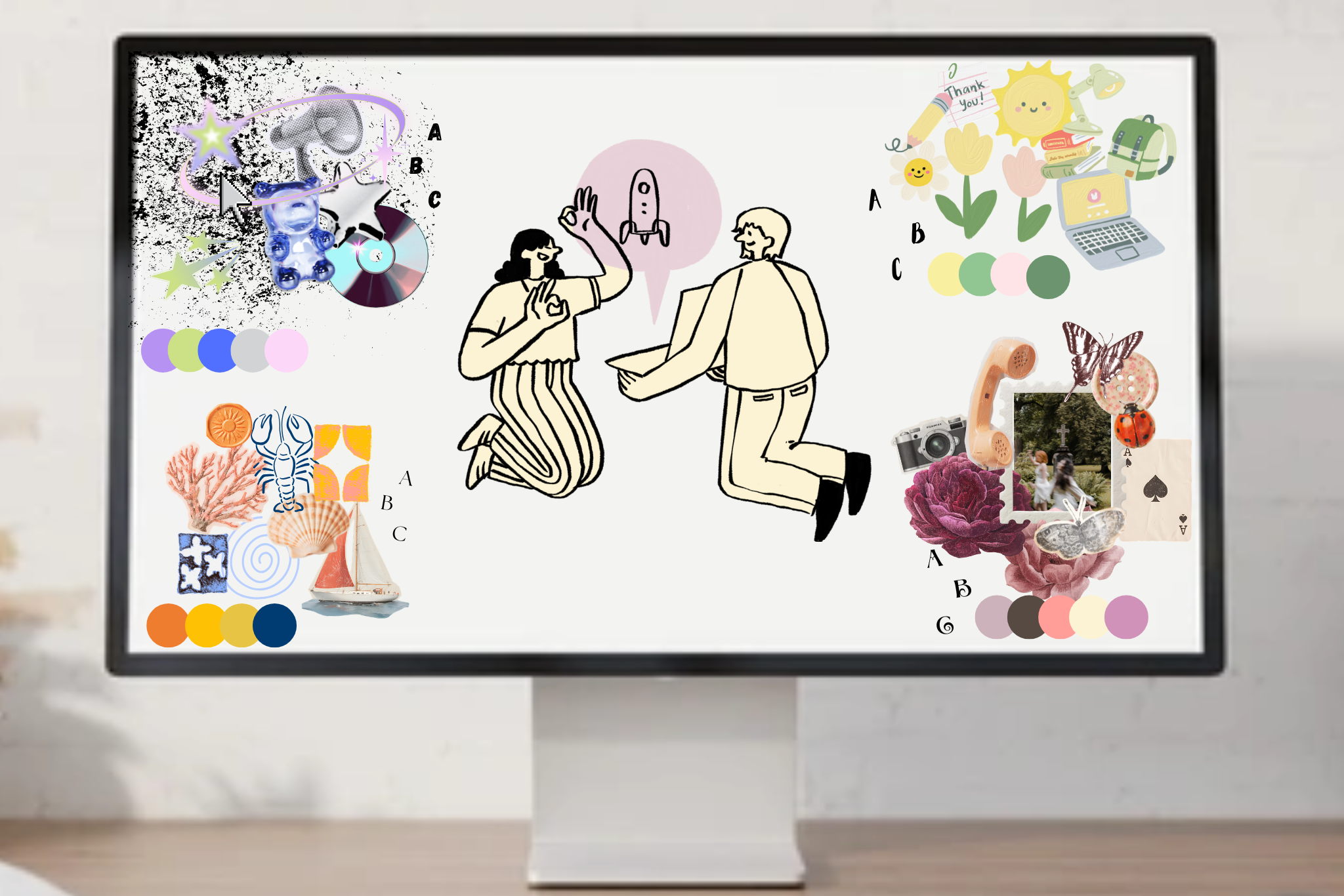
Sitting in my digital communications class in the fall of my sophomore year, I was told for the thousandth time about how important it is to design the perfect personal brand identity. “Brand identity … for ourselves?” I thought. Even my Pinterest feed isn’t cohesively curated. How am I supposed to be a brand?
We’ve all had these kind of lectures during our time at SCAD: the ones in which a professor claims that the faster we find our niche, the faster we can make money. Specialization and personal marketing are prioritized over creative pursuits. You have to “find your thing.”
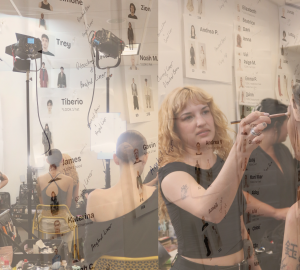
It wasn’t until I was sitting in my senior photography portfolio class this quarter that I realized the only thing truly unique about each of us is our perspective. We’re all collages of the places we’ve been and the people we’ve connected with. The more life experiences we have, the better we can understand both what art we want to create and what we want our art to do.
In the broadest sense, what art we create and what it does for the world is really the ethos of a personal brand. With that in mind, here are my two biggest observations when it comes to an aspiring artist crafting their brand.
Experiment, experiment, experiment.
While there is something to the “niche is money” mindset — at least in an economic sense — my three years at SCAD have taught me that experimentation is the foundation of creativity. Throughout my foundations classes, I tried to find my niche, both stylistically and in subject matter, but it left me feeling frustrated and confined to my major. I didn’t understand what made me different from every other art student or why my art was special when compared to anyone else’s. That’s because I was already boxing myself in, without anyone telling me to. I wasn’t truly trying new methods or subject matter because I already thought my niche had to be just one thing.
Most professors are fairly receptive to changing the assignment requirements to make them more applicable to students’ expertise. Trying a new medium or adapting a project to fit your portfolio is often what professors are looking for; it shows that you care and that you’re paying attention on a deeper level. So, don’t be afraid to experiment or to tell people that you’re experimenting. They’ll love it, and might even feel inspired by it.
Pay attention to your classmates.
A hilarious, but often accurate, joke about art school is that you never know who is going to be famous someday. It’s a cliché, but it also means that you can learn from anyone and everyone. Literally every single person in your class has a perspective that you don’t have, in one way or another.
Treat everyone around you like you want to learn something from them, even if their method or style of work is the opposite of want to do or create. I’ve had classmates whose projects have been incredibly skillful and powerful, but showed me which mediums or subjects I don’t care to work with. Pay attention to who you feel is succeeding and try to figure out why. This doesn’t mean you need to try and copy them. Instead, be a journalist, observing and analyzing how and why artists create what they do.
Three years and a solid amount of semiprofessional experience later, I feel my perspective has changed. Creating your personal brand may very well be the most important thing they teach you at art school, but a brand isn’t just a logo and website. It’s your manifesto, your collection of passions, your “why.” Making that brand authentic and unique to you is not possible without genuinely spending time experimenting and observing before developing a brand identity. Take that random elective, go to that club meeting, learn about new software, just to see how you can most authentically communicate your ideas.