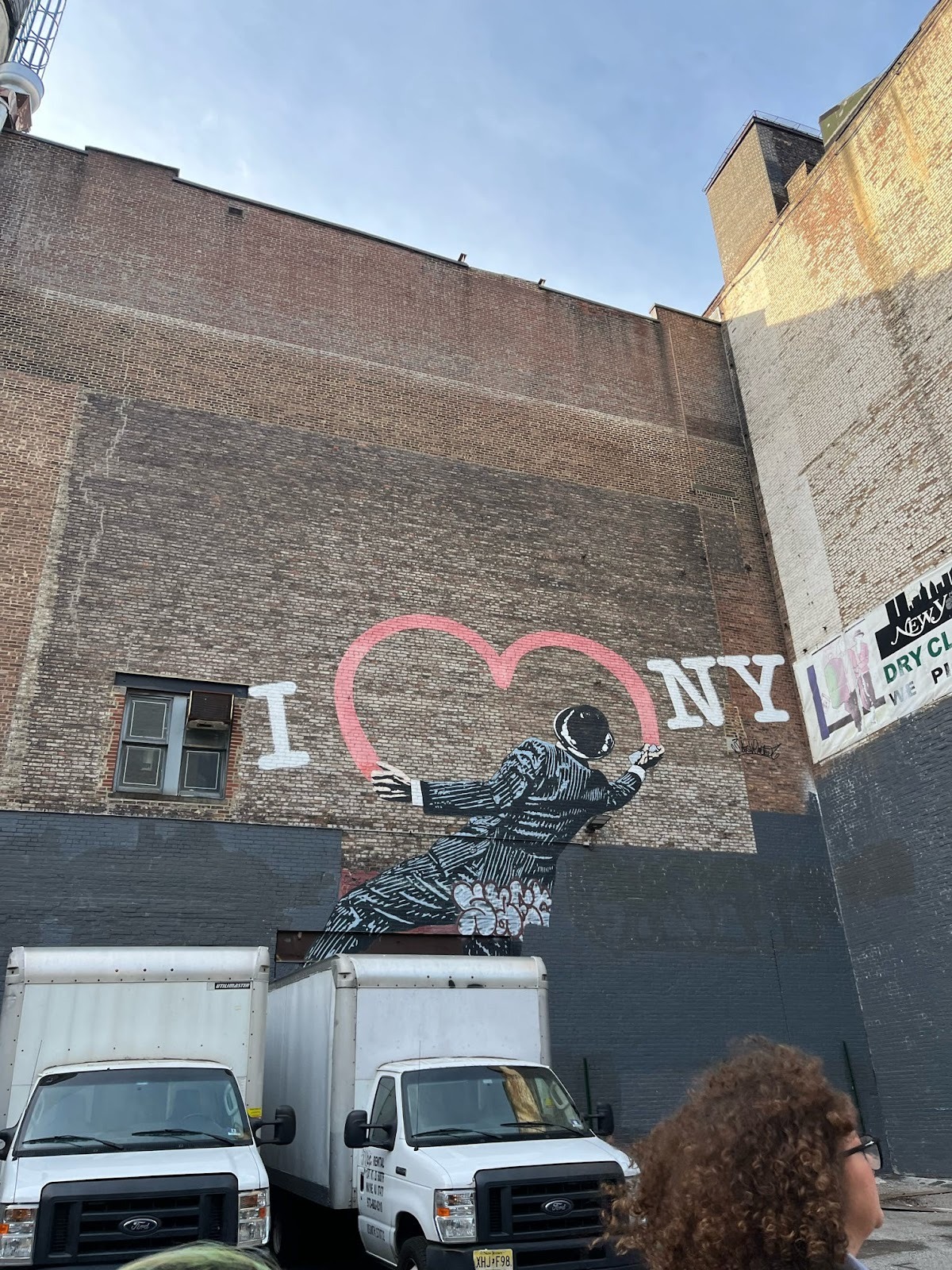
This past winter, I had the privilege of traveling to New York City with my roommates. I saw a myriad of performances, art pieces, and street art that reignited my artistic passion the way that only the city of dreams could. My favorite of all the amazing things we did — traversing the city’s nightlife, visiting the Metropolitan Museum of Art, and exploring Central Park — was seeing the musical “Hadestown” on Broadway. As an acting major and lover of musical theater, it may come as no surprise that this was the highlight of my trip, but what made it even better was that my roommate and I were fortunate to get seats in the very front row of the theater.
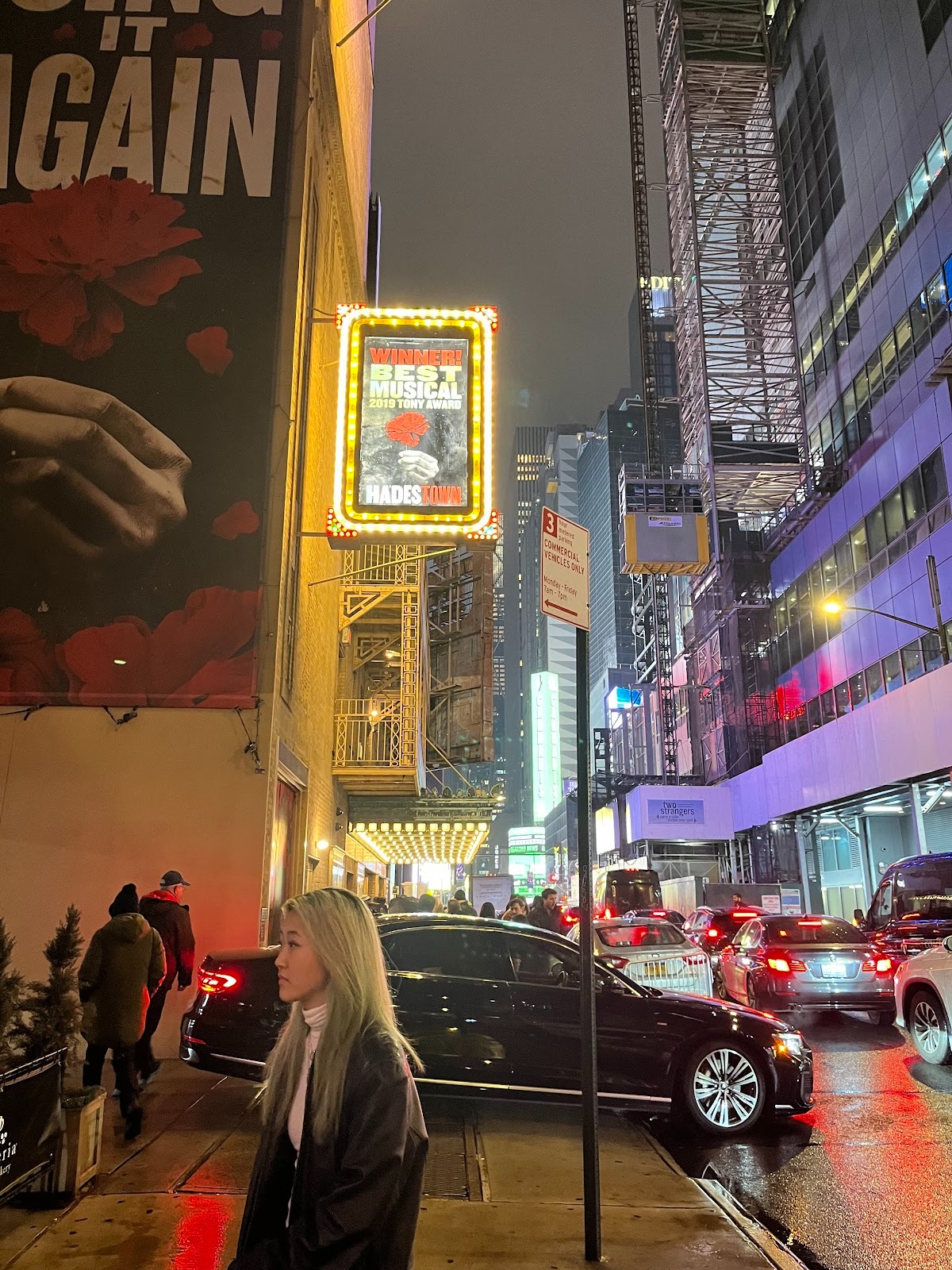
The show took the audience on a complete emotional rollercoaster. There were several times that I saw the person next to me with tears in their eyes. It was my roommate’s sixth time watching the show, but it felt like even she was truly seeing the show for the first time.
That is the power of live theater.
Yet another devastating truth remains: in America, live performances are becoming less frequently attended, and actors are being paid significantly less than what they are worth.
A survey cited in a No Guarantees report distributed by PR Newswire said: “There’s a misconception amongst Gen Z and Millennials that Broadway tickets are around 50% more expensive than they are, thinking they cost at least $200 vs. the actual average of $123 (many shows have tickets as low as $49).” Immediately upon seeing this research, I could not help but realize the truth in it.
When I posted on my social media about snagging front-row tickets to to the show, I was flooded with messages along the lines of, “How on earth were you able to afford that as a college student?” The average Broadway ticket is $123, and my ticket for “Hadestown” was $210, including tax. I was shocked at how many people could not believe what I was saying. Some of my friends went as far as asking for screenshots of the transactions as proof. $130 is not inexpensive, and neither is $210 by a long shot. What I paid, however, was far less than many people expect. The truth is if seats are picked wisely and at the right time, you can experience a life-changing show for quite a reasonable price. I can assure you, every dollar spent was well worth it, and the people that made the show come to life deserve all the credit.
For most live shows, the discussion of ticket price comes with the discussion of pay rates for entertainers. Working as an actor can mean constantly fluctuating pay rates and these actors depend on people coming out and seeing their shows to stay afloat. According to Backstage, under the guidelines of the Actors’ Equity Association (AEA) the current minimum salary of actors on Broadway is $2,439 per week. In New York City — one of the most expensive housing markets in the country — that is barely enough to cover an apartment’s rent, let alone be able to live comfortably. Performers work far too hard to be subject to wages that scarcely support their well-being. Furthermore, seeing as though most Broadway actors have degrees in their respective fields (nearly 95% as reported by musical theater blog The Broadway Producers), they should be paid not only for their performance, but also for their experience.
There is a common misconception that if an actor is not playing a lead or supporting character, then they are not working as hard as their castmates. This is simply not true, as I have come to know that working ensemble also means manning moving parts and many technical elements of moving the show along. On Broadway in particular the burden on ensemble actors includes memorizing other actor’s cues for props, assisting with quick changes, and monitoring for any concerns backstage before issues arise. In many cases, they also endure more physical labor than their lead counterparts. A prime example of this would be with the Broadway production of “The Lion King,” in which ensemble members are expected to move heavy props, set pieces, and play as many as three different animals in one show.
Another role that many ensemble members have to play in musical theater is that of a swing. If a lead were to miss a show for any reason the swings are stepping in to fill the role. Though they are rarely the face of the show, they are still equally as deserving to be paid for their efforts.
As an actor, I can attest that to perform for several nights in a row can be just as much physically and mentally taxing as it is rewarding. Most actors I know would echo that sentiment, agreeing that the biggest payoff is getting to inspire the audience. But we must not forget that we too have a job as the audience. These hardworking actors deserve to be seen and paid livable wages. If not for their manual labor, they should be paid for the joy they are bringing those fortunate enough to see them perform.
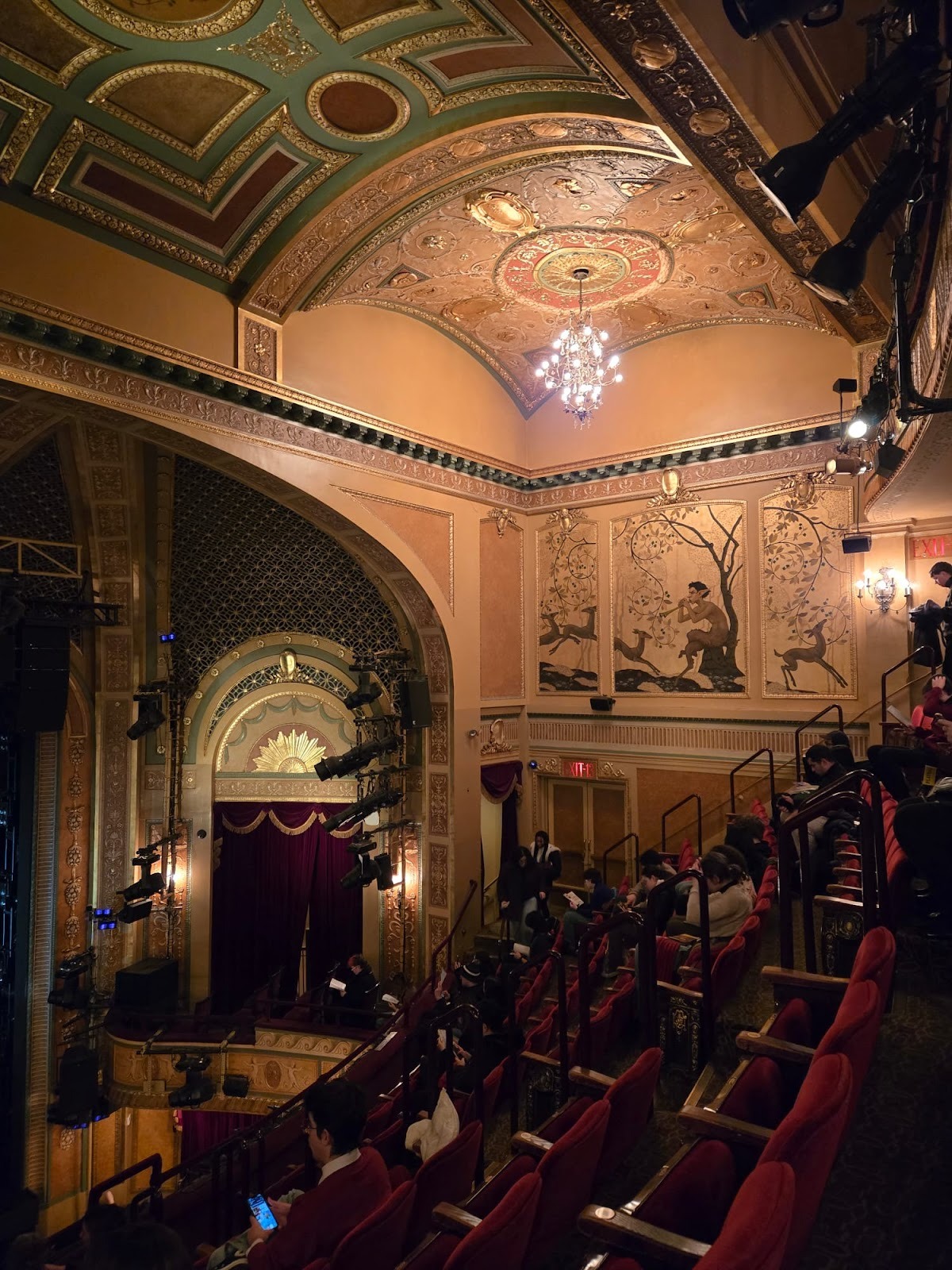
On my trip to New York City, I sat close enough to see the actors’ tears as they sang heartfelt ballads. I saw the sweat on their backs after two hours of dancing and the smiles on their faces as they did it all again the next night. There, in the Walter Kerr Theatre, I got to feel alive again, in a way I never knew was possible, not only because of the truth and passion in the acting, but because I shared the moment with my friends. The best part was watching the cast take their final bow, being able to smile at them and meet their eyes. They looked into the audience, fellow artists and everyday people alike, and gave us all an unforgettable experience. It is our responsibility to give back to the hardworking people putting on live shows nightly through supporting live performance.
But you don’t need to go to Broadway to do this. Many local theaters have actors working nightly to deliver quality performances for significantly less than they are really worth. Here in Atlanta, I found that some of the best smaller theaters are the Horizon Theatre Company and the Atlanta Shakespeare Tavern, both of which have wonderful intimate venues and relatively low price points for tickets.
Through live performances, we as audience members are a part of the show’s world in a way we cannot be from the couches in our homes. We are recognized as patrons of one of the greatest and oldest art forms known to man, and powerful, dedicated actors deserve to have a large portion of ticket money go back to them for their performance.
If you have time in your day, spare a moment to go catch a show. Experience the change and support dedicated actors in venues large and small, as that is how we bring life back to live performance.