The Birth of a Nation was not only the foundation of Hollywood as its first blockbuster, but it was also one of the first films shown in the White House. Noel Carroll’s definition of a horror plot is, “a protagonist or society at large are threatened by the presence of a monster.” When you look at The Birth of a Nation and keep in consideration his definition of a monster being representative of societal taboos or deeply held cultural fears, it can be argued that not only was this film the first Hollywood blockbuster but also the first horror film.
It makes sense that the first blockbuster was a horror film, horror is shaped by what the dominate voice of society deems frightening. Therefore, white horror originating in the wake of the civil war and the reconstruction, began as propaganda that demonized and further oppressed the group of people they blamed for their hardships. For white audiences The Birth of a Nation was a historic film, worthy of being shown in the White House. Black people saw it for what it was, not just KKK propaganda, but an example of the danger of whiteness controlling the narrative. Because when white supremacy controls the narrative—black people and people of color become the monsters.
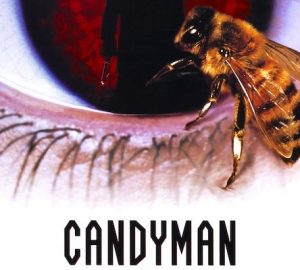
The film tells the story of two fictional families, from the North and the South, and in the three-hour run time, previously enslaved black people are portrayed as brutish, lazy, morally degenerate, and most of all, dangerous. The black men are lusting after white women, setting a clear precedent for how black men would continue to be portrayed on film from King Kong to Candyman.
In response to the narrative being created in white horror, black people needed to create their own space. The first black horror film made, Son of Ingagi (made by Richard C. Kahn in 1940) was a direct response to Igagi, a film that claimed to the true story of people mating with apes. Son of Igangi centered around a black woman scientist and an ape man she tries to help but eventually murdered at the hands of the ape. This film was a cast of all black people, however, in general roles for black people were limited. Especially during the 50s and 60s, no one wanted a black scientist, mathematician or astronaut. The only place for otherness was in horror as the monster like in the Creature from the Black Lagoon, monsters that looked like racists stereotypes, stand-ins for blackness.
Then came 1968’s George A. Romero’s Night of the Living Dead and his man leading Man Duane Jones. A leading man killed not by the ghouls or “monsters” but by a militia of white men with an oddly familiar look to them, missing only white robes and pointy white hats. Ben was allowed to take charge, to boss around white people, and succeed in almost keeping himself safe, he’d made it through the night. Unfortunately, the real monsters for him weren’t the ghouls.
In the heels of Daune Jone’s iconic performance as Ben came the 1970s era of films known as “Blaxploitation” originally created not by white people but by a black American who was slighted by the producers of the film Super Fly. These films explored themes of crime, fighting back against “the man,” the black American way of life and struggles of the time. Horror films that are under this umbrella include Blacula, Ganja and Hess, Abby, and Sugar Hill. While many of these films were made by black people for black audiences, many such as the NAACP, National Urban League, and the Southern Christian Leader Conference believed these films perpetuated negative stereotypes and formed the Coalition Against Blaxploitation and was successful in ending the genre.
With more black people on the screen, their depiction in white horror films shifted. They weren’t just the monster; they were also the first to die. Black people began to play a new role. How do you show evidence that a creature is bad, that they’re hard to defeat? You need the black person to be taken out first. Dick Hallorann, a white man in the book The Shinning, dies in the movie, because he’s played by a black man. As a response to these depictions of black bodies, as disposable and monstrous, we get films like Candyman, Death by Temptation, Tells from the Hood, and Eve’s Bayou.
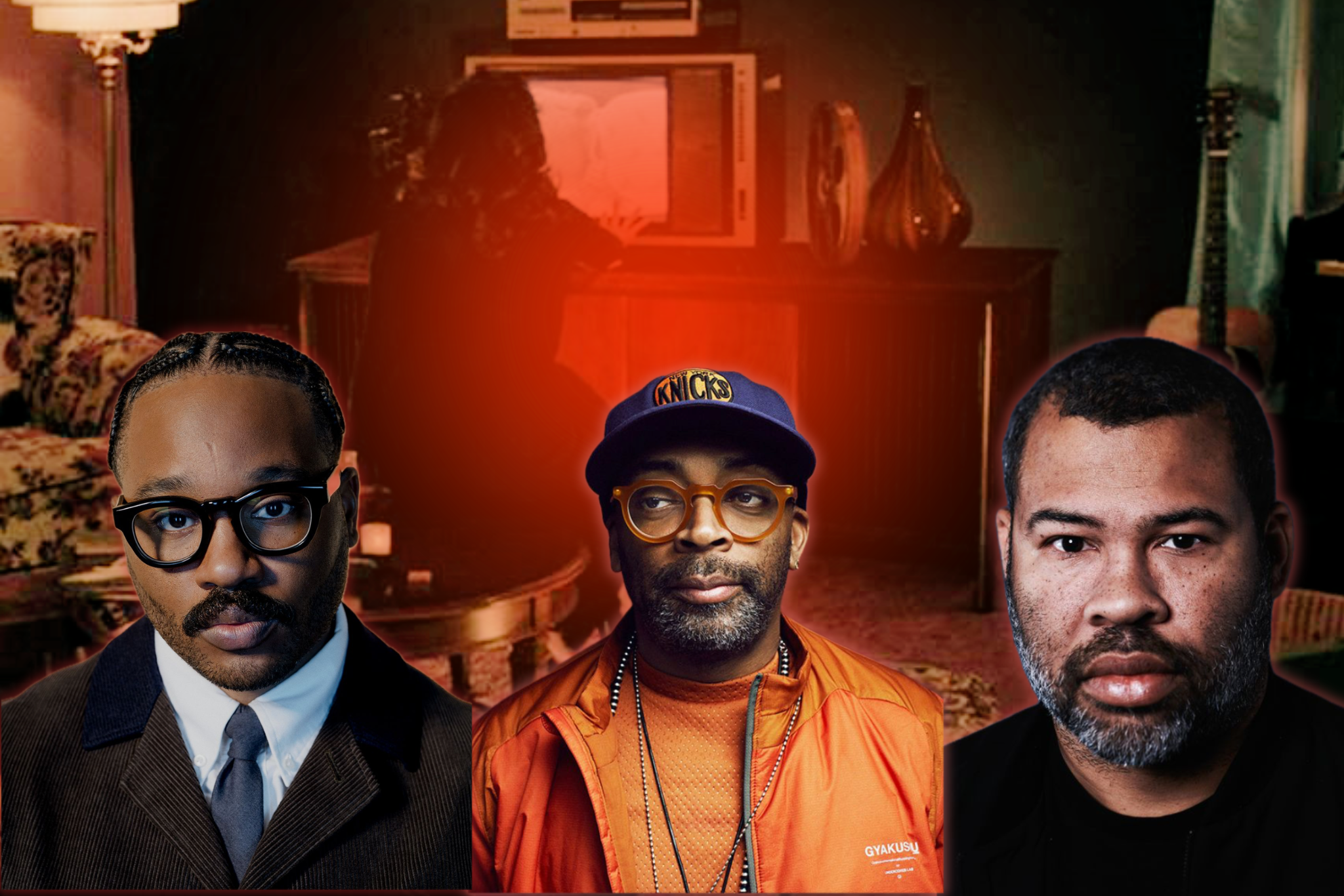
With Jordan Peele’s Get Out in 2017 black horror took on another shift. Following its success there was a surge of black horror that followed: Us, Nope, Antebellum, Vampires vs. The Bronx, Nia DaCosta’s remake of Candyman, and now Sinners. DaCosta, Peele, and Coogler are using black horror as a tool for social commentary, identity exploration, and cultural pride. These stories are a reflection of systemic injustice, survival, ancestral trauma, and Black imagination.
Circling back to the idea that horror is about a protagonist or society at large are threatened by the presence of a monster, that monster is usually representative of societal taboos or deeply held cultural fears. In Sinners, Get Out, and DaCosta’s Candyman, the monster takes a new form. No longer is camera in the hands of white people fearing the other, but in the hands of those who’ve been casted as monsters for far too long, finally getting to share their stories.