Not too long ago, late at night, I was doomscrolling on TikTok, as one does. I internally begged for something to catch my attention — anything entertaining enough to keep from falling asleep. Then, a video popped up: “Screen Time – Episode 01.” Confused, and decidedly intrigued, I decided to watch. Before I knew it, 20 minutes had passed and I was still watching the same video.
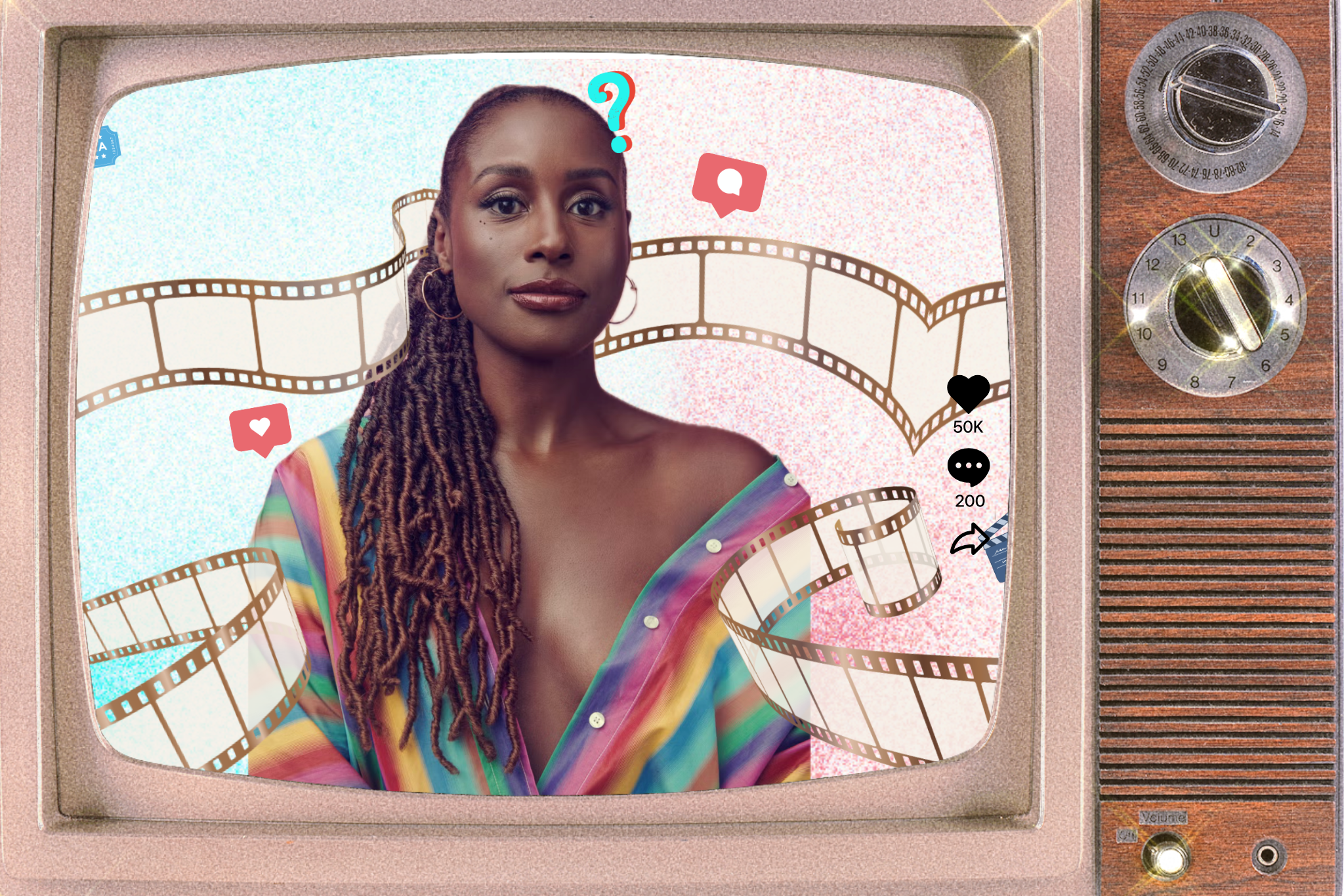
“Screen Time” is the latest brainchild from Issa Rae and her production company Hoorae. It’s a TikTok drama, which sounds about as absurd as the show’s premise. The series is about two couples who find their relationships unraveling when a hacker begins to reveal their secrets to each other. Who is the hacker? We don’t know. What do they want? They vaguely say they want the truth, but honestly, we don’t really know. Why do these couples spend the whole season together in the same room? Look, you’re asking too many questions, man.
I realized after watching that the beauty of a show like this is that it integrated quite seamlessly into my TikTok algorithm. I usually scroll through random videos from all corners of the internet with no correlation to each other. Frankly, I find that the more random and nonsensical, the funnier and more entertaining. That’s the joy of short-form content; it’s a quick hit of dopamine, like a vape pen for your brain.
The first season of “Screen Time”ended on a cliffhanger, so while I wait for Season 2, I began thinking about this shift toward TikTok content. Issa Rae is probably the biggest name to make a project like this since Quibi’s short-lived run.
Quibi was a streaming platform that premiered in 2020 and specialized in short-form content where every episode was 10 minutes or fewer. Stars like Kevin Hart, Darren Criss, and Stephan James all had Quibi shows before the platform shut down six months after its launch. The reason for the platform’s collapse wasn’t that the shows were bad, it was that Quibi was a subscription service that didn’t offer anything more than the 10-min episodes, which made it unattractive to audiences who were already getting better, free short-form content from YouTube and TikTok.
There are already TikTok dramas available, most notably from PineDrama, a separate app owned by the same company that makes AI-generated short dramas. Rae, on the other hand, used traditional means of production, which I’m sure is a big driver for engagement. The drama’s plot — soapier and more exaggerated than the dramas you’d find on Netflix — also reminded me of the short fictional dramas that would be inserted in various episodes of “Insecure.” The characters in the series would be watching these soapy, bad-in-a-good-way shows like we would watch “Beauty in Black” or “Euphoria.” But does this mean more and more producers will begin to follow suit? Will audiences even care to watch this type of content?
According to TheWrap, “Screen Time” has racked up nearly 75 million views in its first week on TikTok, making it the highest seven-day viewership of any series to date. Hoorae announced last month that it had agreed to a content partnership with TikTok and PineDrama, so it won’t be the last short-form drama we’ll see from Rae. As far as others emulating this formula, I’m sure “this “Screen Time” will show others that this is a viable channel to release their projects. My concern, however, is the care with which other producers will use it.
Integrating mini-dramas into the regular algorithm could be a way to introduce people to content they’d never otherwise come across. It would be an opportunity to create stories that may not get the bigger budget for an extended season of television. The change could also introduce new voices into a landscape that’s already moving toward being more internet- and influencer-driven. I just hope it doesn’t devolve into brain rot or product placement for streamers.