Now that the 2026 election season is here in Georgia, it is imperative that all eligible citizens exercise their right to vote and come to the polls well-informed. Eligible voters include people from a wide range of backgrounds, and one important group of eligible voters is students. Because youth voter turnout plays such a pivotal role in the results of our elections, it is important that students thoroughly understand why and when they need to go out to vote, what the results of a particular election could mean for them and who they are voting for. It is also pivotal that citizens show up at the polls with the correct identification so that we are not turned away. In this general election, our student votes matter, and we must do our best to show up and show out at the polls in these upcoming weeks for early voting (Oct. 13-30) and on Election Day, Nov. 3.
The Why, When, and What in Georgia’s 2026 Election
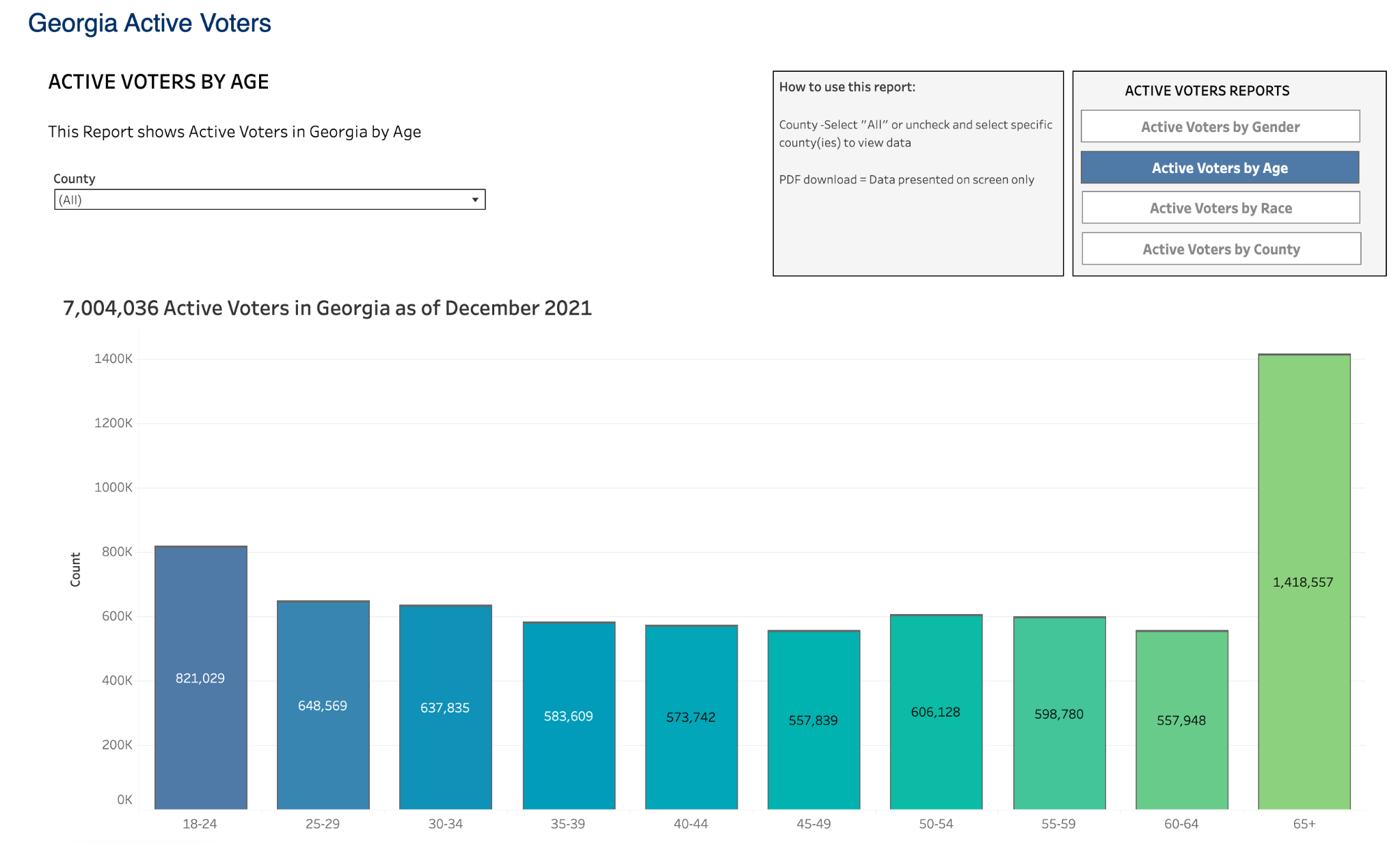
According to the Georgia Secretary of State Election Division’s active voters demographic reports, as of December 2021, of the 7,004,036 active voters in Georgia then, approximately 2,107,514 of them were of typical college student ages 18 to 34. That same year, the Georgia Secretary of State Election Division’s election results from Election Day, Nov. 2, 2021, report highlighted that the winner of the special election for State House District 165, Edna Jackson, had 831 of her 2,734 total votes submitted in advance, more than any other candidate. She also received 1,765 votes on Election Day.
State House District 165 covers much of Savannah’s east side, and the election results were significant. Similar to the current election cycle, the winner would help determine some of the rights citizens had locally and had major impacts on where funding went. Savannah Now reported that youth representation may have influenced voter turnout. 27-year-old candidate Antwan Lang was particularly in tune with voters: “His strategy? Get out and listen to as many constituents’ concerns as he can. ‘I’m basically doing a listening tour. I’m listening to what is truly concerning to the citizens of my district.’” Lang finished second in the race and the candidates’ totals differed in the number of early and Election Day voters, not necessarily age or demographic directly.
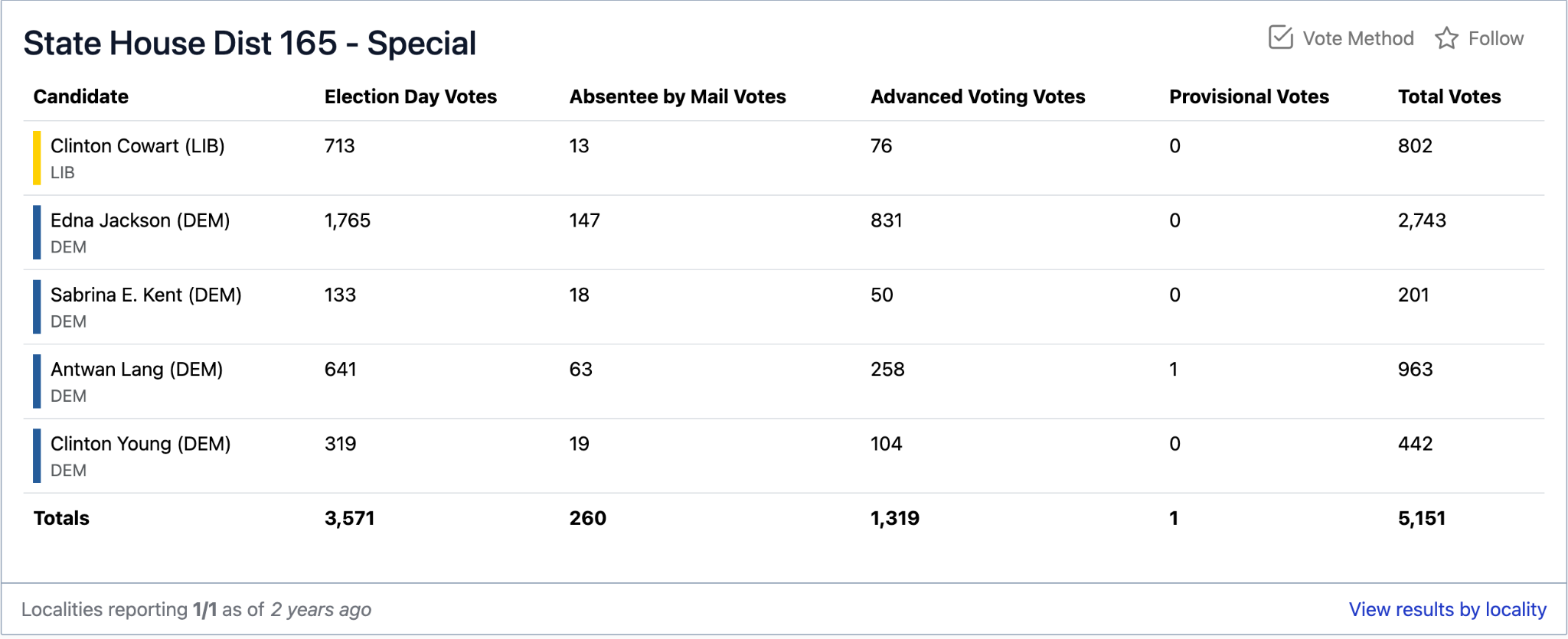
This election example is one of many past election results that highlight multiple things about student voters: First, early voting can have a significant positive impact on voting outcomes. Second, young people make up a significant portion of Georgia’s voters and political candidates, meaning that our votes and voices matter.
With schoolwork, extracurricular activities and other responsibilities, students can easily forget to vote. They may even ask themselves, “Will my vote matter? Can one person really make that much of a difference?” The answer to both of these questions is yes. Although this is not a presidential election, its results can still affect Georgians’ daily lives. Emory News asked Alan Abramowitz, a professor emeritus at Emory University, how the 2026 midterm elections could affect college students’ daily lives: “Young voters often hear that midterm elections are just as important as presidential elections. What could actually change after the 2026 midterms that college students would notice in their everyday lives,” he explained. “The results of this election will affect all our lives and, especially, the lives of younger people. The two parties offer dramatically different approaches to major issues including healthcare, reproductive rights, taxation, voting rights and foreign policy including the dangerous and unnecessary war with Iran, relations with U.S. allies and trade. For younger people, opportunities for financial support for higher education are at risk with continued unified Republican control of the federal government.”
The outcome of this election could affect Georgians’ rights in several areas. For students, one important concern is how elected officials’ policies could affect financial aid. Because so many students rely on financial aid to be able to afford higher education, students should consider how election outcomes could affect their educational opportunities. According to research done by the Georgia Budget and Policy Institute, “Nearly 112,000 students deal with unmet financial need, according to the University System of Georgia (USG),” and that “42% of students reported not receiving any financial support from parents or guardians; 39% struggled with stable housing; 37% had very low or low food security.”
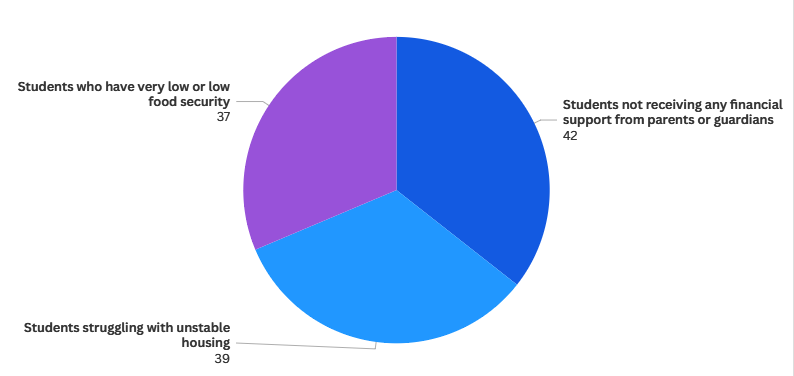
Because not every student can afford the cost of college and so many already face the struggles of unmet financial needs, votes in this election matter even more for what the future of many students’ education will look like. Our individual votes can affect not only our lives but also those of our classmates and friends, particularly those receiving scholarships or federal aid.
Understanding the importance of voting requires recognizing that our local health care, bodily autonomy, voting rights and financial aid are all impacted by these elections. It is our duty as students to show up and actively get our votes in, ideally as early as possible, and make informed decisions about who we are voting for.
The “Who’s Who”
In Georgia’s 2026 general election, citizens will be voting on statewide and federal offices, including governor, U.S. Senate and the U.S. House of Representatives. The candidates for governor in the general election are Democratic candidate Keisha Lance Bottoms and Republican candidate Rick Jackson. In terms of the U.S. Senate race, candidates are Republican Mike Collins and Democrat Jon Ossoff.
However, the voting does not end here. Depending on one’s county of residence, there are several other district representatives and candidates for commissioner, attorney general and state school superintendent positions on the ballot as well. Before going to vote, citizens should research the candidates and their positions on key issues to choose the candidates whose positions best reflect their priorities for their communities. It is important to understand that when voting, one should strive to select the candidate that best reflects their ideals, rather than abstaining because no candidate aligns perfectly with their views.
For more reliable information about candidates and their positions, visit WABE’s 2026 Georgia candidate guide. With this guide Georgia voters can see and easily navigate several tabs related to voting, including viewing sample ballots to prepare for Election Day!
What to Know Before You Go
For those who have missed the registration deadline (Oct. 5):
Eligible voters who need help registering in Georgia can visit the Georgia Online Voter Registration page to complete online registration. After you have successfully registered, you will be sent a confirmation email and it will take three to four weeks to process. Unfortunately, for this election, the registration deadline was Oct. 5, but by registering now you will be eligible to participate in the next election.
For those who have registered and need specific voting information:
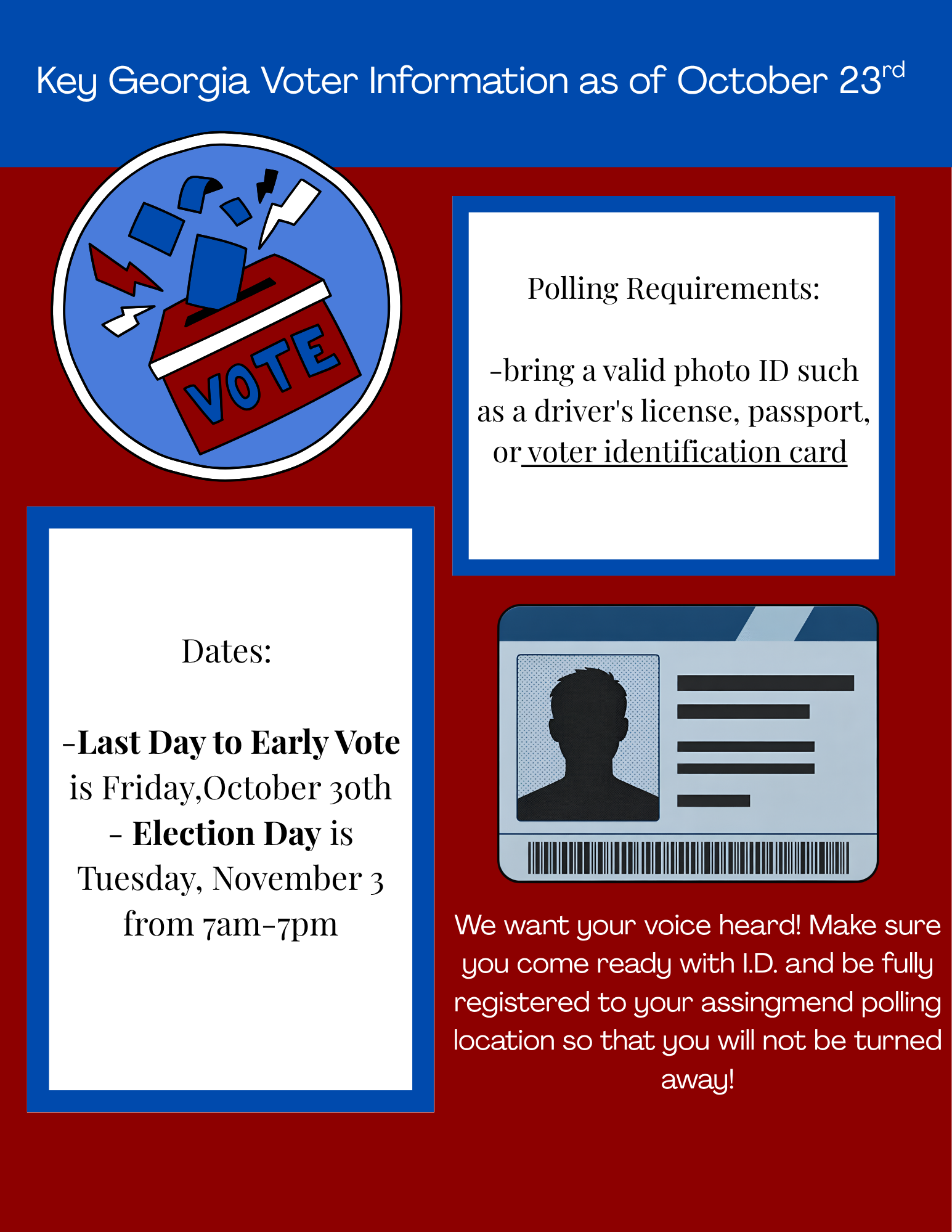
If you did register before Oct. 5, check your voter registration status with the Georgia My Voter Page. You can find information there about absentee ballot applications, local polling locations, elected officials, and more. You can also access your registration information on file with the county office, view a sample ballot for the upcoming election, or even see your provisional ballot status. Early voting will end on Oct. 30, followed by Election Day on Tuesday, Nov. 3.
According to Georgia.gov, polls will be open from 7 a.m. to 7 p.m. on Election Day. If you can’t vote during those times, you can either participate in early voting or send in an absentee ballot. “When you arrive at your polling station, you’ll need to bring a valid photo ID such as a driver’s license, passport, or voter identification card.” For those who need additional assistance or accomidations, “The polls offer audio ballots for voters who are blind or have low vision and booths for voters in wheelchairs. If you need help with your ballot, you can ask a family member or friend to come with you to the polls and fill the ballot in with your choices.”
Above all, come to the polls prepared and educated. For all Georgia citizens alike: get up, go out, and vote now.