

Lanterns: Can I Get A Superhero In My Superhero Show?

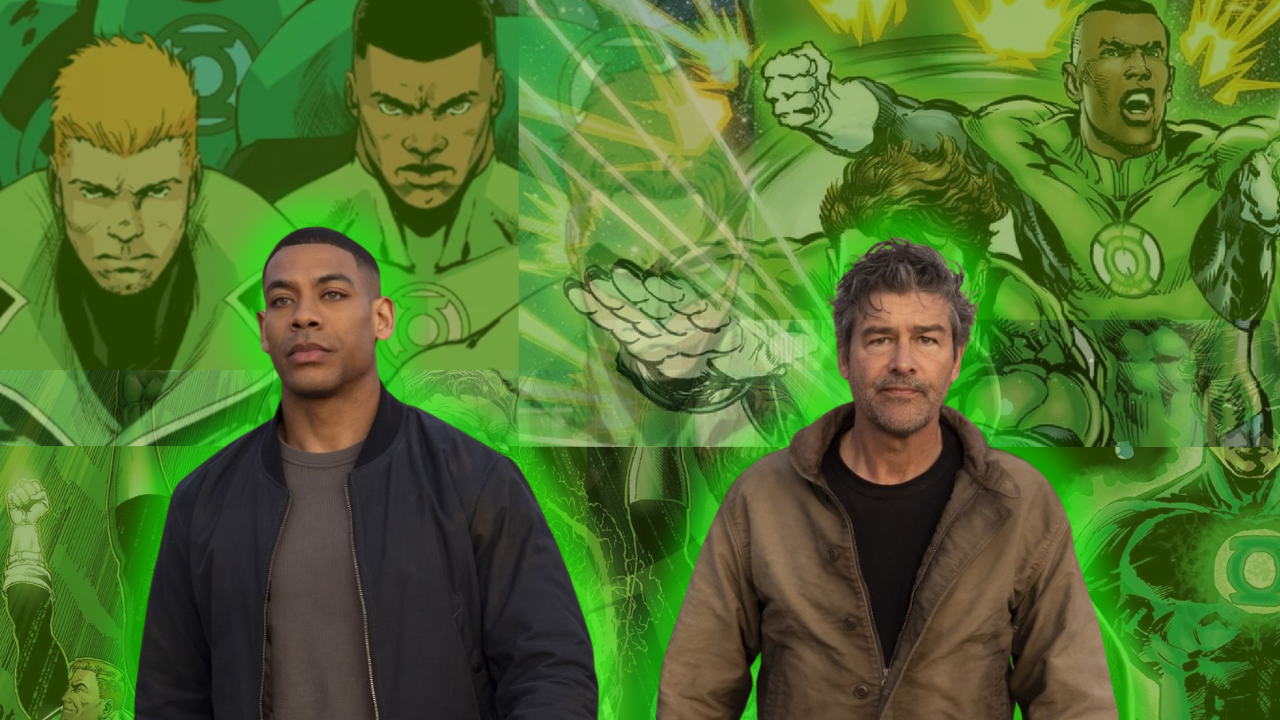
HBO’s newest hit series “Lanterns” recently just wrapped up its first season to great success. James Gunn’s take on the “Green Lanterns” averaged 19 million viewers per episode across the season. Aaron Pierre and Kyle Chandler’s portrayals of John Stewart and Hal Jordan respectively have thrust the Green Lantern name back into the public consciousness and given it some much needed good press. The way they got there has divided some long-time comic fans. It begs the question: do superhero films and television have to be made a certain way?
The series had been pitched as “True Detective” meets superhero fiction, which sounds really cool. And it was. Seeing a detective story involving a superhero not named Batman for once, while also showing the complex politics of the Green Lantern Corps, captured the attention of many casual viewers. Most people’s understanding of the hero was either from the animated “Justice League Unlimited” series from the 2000s or the much-maligned Ryan Reynolds “Green Lantern” movie from 2012. Both of these projects were either ashamed of being a superhero movie or focused on other, more popular heroes to dig in to why the “Lanterns” have been such a mainstay in the DC Universe for decades. “Lanterns” undoes that to great success by teasing certain, more fantastical aspects of the Lantern lore, and focusing on the more human side of these characters. This makes the audience care about them first before we see them doing any kind of superhero stunts.
Now, this isn’t some new phenomenon in the genre. Netflix’s “Daredevil” famously didn’t have Matt Murdock in a proper Daredevil suit until Season 2 and the anticipation of the reveal was a key talking point amongst viewers. “Spiderman: Homecoming” spends a lot of time giving the audience a reason to care about Tom Holland’s rendition of Peter Parker before we see him suit up as Spiderman. The character suiting up for the first time should feel epic and eventful; especially in the case of John Stewart, who had been training literally his entire life for that one moment. It should feel earned. Writer Justin Britt-Gibson said that by the end of the season, it didn’t feel right to have Stewart suit up after everything he had been through. Instead, Stewart uses his ring without a proper suit as his own force, outside of the Green Lantern mantle. This sounds great, and it didn’t have too much of an effect on my enjoyment of the show, but there is a vocal minority that wishes there was a grander pay off.
Genres are a funny thing. To me, they feel like various circles that I can play in. Take something from here, a little from there, to make something fresh and new. Superhero media being relatively new and varied hasn’t had the time to coalesce a proper visual or literary identity. Does a superhero have to suit up for a show to be a bonafide superhero show? Do they have to remain faithful to their comic book counterparts? Should they inhabit our world or be set in a separate, fictional universe? Outside of there being a hero and a villain, superhero media doesn’t adhere to any one particular genre convention. That’s the amazing thing about them. But it seems that with more and more variations on the theme premiering in the last decade, it may be time for the genre to define itself. If not, it might risk losing its core audience.


