AI in the Audition Room: A Casting Director’s Perspective on the Ever-Changing Film Industry

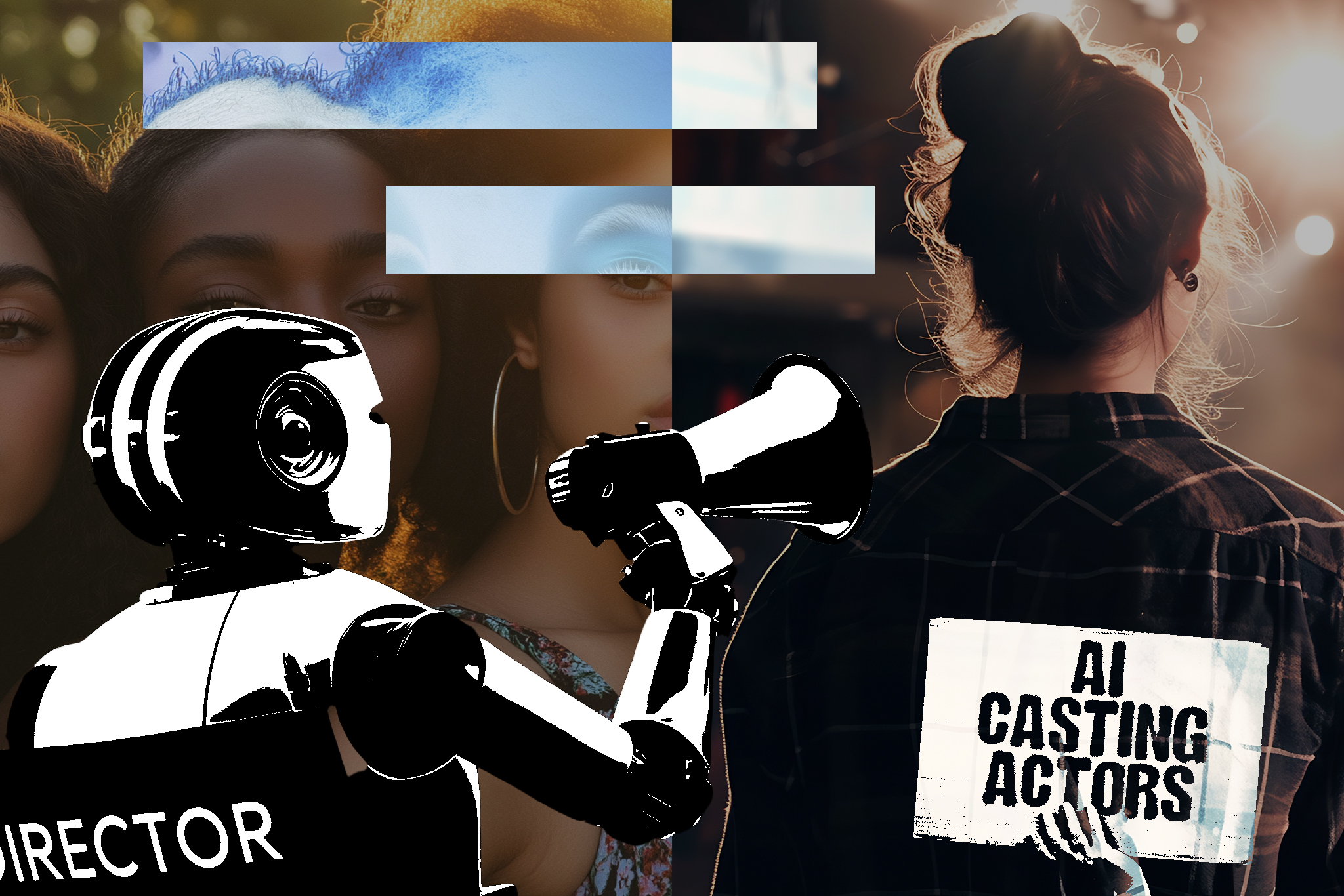
At the beginning of this year, I took on the debate surrounding AI actors and asked the question, “what happens when, instead of making human jobs easier, technology takes them away completely?” The topic is one that I, as an actor myself, feel very strongly about, especially as it continues to prompt discussion in the industry. Since then I have received a number of questions from my peers about if AI is going to change the audition process. The truth is it’s no longer a question of whether or not it will—it already has.
At this year’s annual SCAD TVfest, I had the opportunity to speak with several talent agents and casting directors, asking each one the same question: How is AI currently being used in your job? I was shocked to discover that overwhelmingly the answer was the same… It’s not.
“Especially with NDAs and such, that’s not a thing,” said Sam Ikhwan, a talent agent with FORMATION Talent Agency. “We’re not gonna put up a script into ChatGPT and be like ‘make me sides.'” Not only would it be more time consuming to fix formatting errors than to use the traditional way, but the process of creating sides is an integral part of the foundation of casting. Sides are chosen by reading through the entirety of a script, creating character descriptions, and finding the scenes that best showcase what qualities of the character the casting director wants to see from the actors at auditions. The scenes selected are entirely subjective, based on what that particular casting director needs to see from an actor. If they don’t go through the entire process to build that foundation, how will they know what to look for in a performance? How will they choose the best actor for a role?
When asked if there was a possibility that AI would find its way into the future of casting, Associate Casting Director Dustin Presley of arvold. shared a similar sentiment. “I would if it was like ‘figure out how to do this modified guest performer deal,’ so I don’t have to calculate the money stuff… But no. I don’t [foresee] it being used much in my job.”
From this information, it seemed clear that there wasn’t cause for concern when it comes to AI being utilized by representation and casting, but that hasn’t stopped it from making its way into the audition room. Some actors have begun trying to use it as a tool, specifically to edit images of themselves if they do not have the funds for professional headshots. Good idea, right? Save some money as you find your footing in the industry. Unfortunately, it may actually be doing them a disservice.
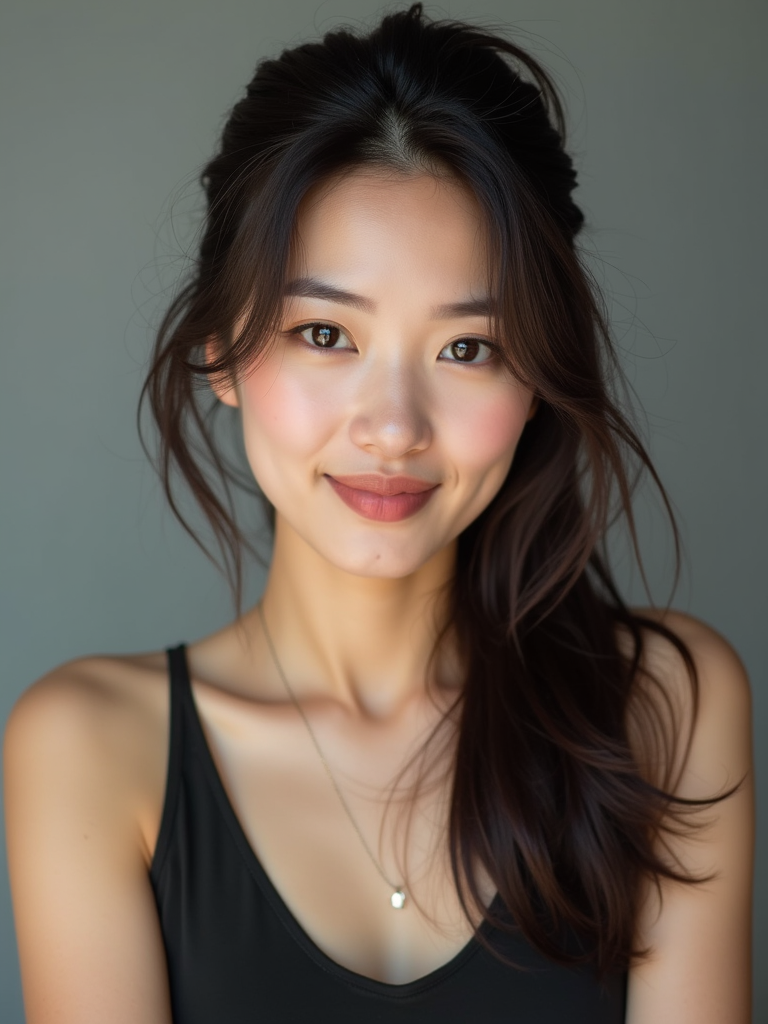
Image courtesy of Photo AI.
“I gotta tell you, I don’t like these AI headshots,” said Alpha Tyler, SCAD professor of acting and former casting director for Tyler Perry Studios. “Casting directors will still see the actor in person, if given an opportunity to audition, so we will know exactly what you look like.” Putting a photo of yourself into an AI headshot generator doesn’t simply reframe the image or remove the background; it smooths the appearance of the skin, alters hair color and eye color, and has even been known to change the size of facial features. It’s not just about the headshot or even the audition. Casting wants to know what you’re going to look like when you show up to set, and what the crew will see in your close up for emotional scenes. While it may seem like the AI is presenting the best version of you, a casting director is looking for something real, and that’s the opposite of what AI is going to give them.
But even though industry professionals are strongly against the introduction of AI, there’s no use in pretending it isn’t happening. Towards the end of last year, we saw a huge uproar from Hollywood in regards to the debut of AI “Actress” Tilly Norwood, and with new articles continuing to pop up regularly the controversy continues to spark debate. “A lack of transparency is where I see the problem,” said Tyler. “[If there is] a film or tv series where it is not disclosed that a character is AI generated, that will create a huge issue.”
But the film industry has undoubtedly adapted to technology usage before, and Tyler made a prediction on how we will see a similar adaptation with AI. “To put AI into context, back in 2007 during the 100-day writers’ strike, the rise of reality tv became popular. Writers were not needed, per se, and therefore neither were actors. Everyone was worried and for good reason, however, reality tv eventually found its place in viewership. It was no longer thought of as a replacement for real actors. It became its own category that everyone understood. AI is not going away, but my hope is that with transparency, it will find its own place in the tv film marketplace.”
If this is the case, could the introduction of AI be a good thing? If we’re not afraid of losing the already limited jobs in the industry, maybe instead it will open up new possibilities. It could make the industry more accessible to the everyday consumer, encouraging more people to explore a passion for filmmaking. It could create more specialized jobs in the industry as we saw with the rise of reality television. Could it provide new opportunities academically, allowing students to practice making and evaluating self-tape auditions? Or will it create a further divide between those who use AI in film and those who adhere to the traditional way of producing films? We can speculate endlessly but the unfortunate truth is only time will tell.