The Feminist Narrative Behind “The Devil Wears Prada 2” Press

In June 2006, “The Devil Wears Prada” premiered in theaters, becoming a fashion and film phenomenon. Twenty years and a lifetime of excitement later, “The Devil Wears Prada 2” is set to release on May 1. While details about the sequel’s plot are still emerging, the international press tour has already generated significant media attention.
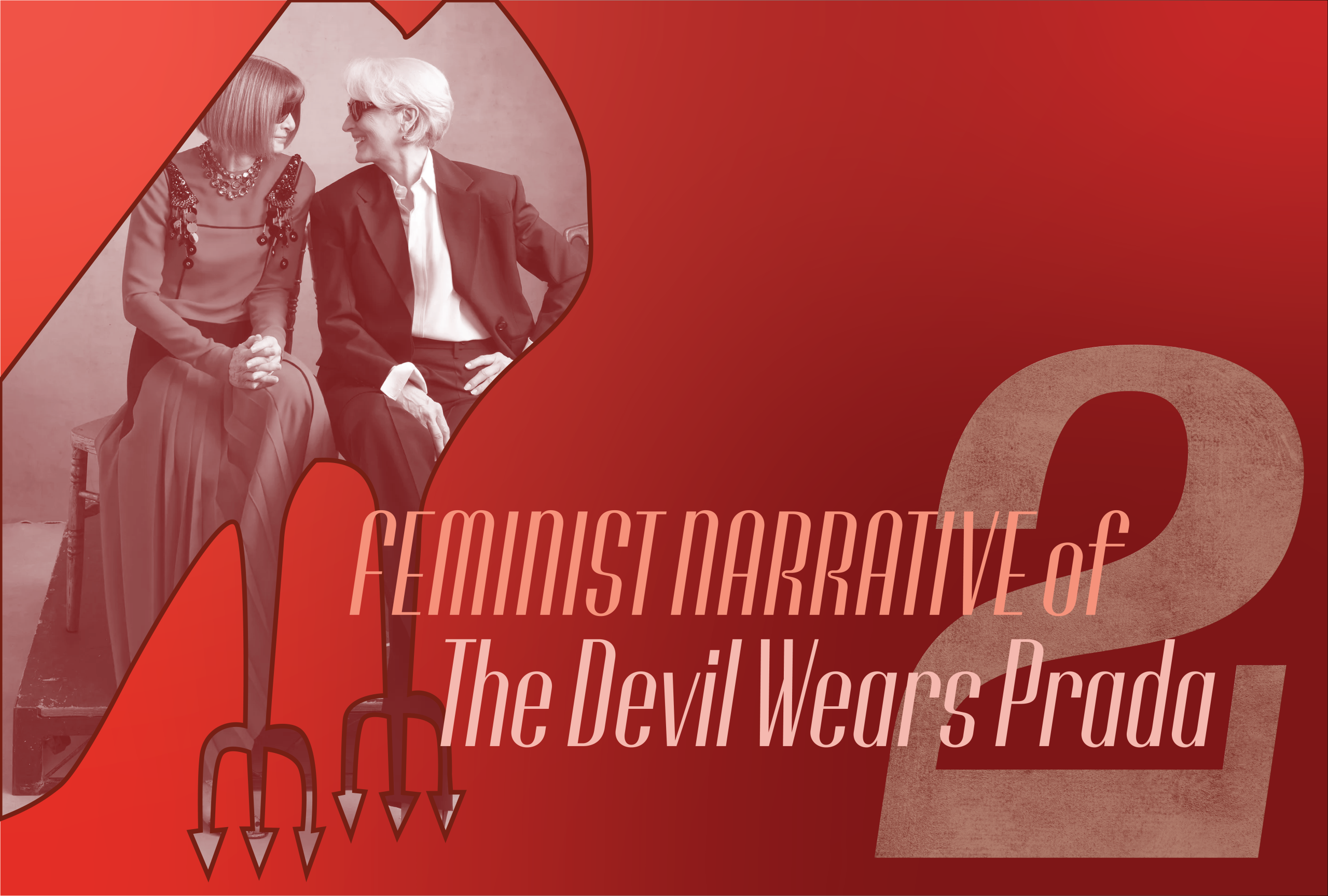
The film stars Meryl Streep and Anne Hathaway, who have been making waves from Mexico City to Tokyo with both their thematic fashion choices and press prowess. In an interview for Vogue, Streep spoke with Anna Wintour and Greta Gerwig about how the film makes a strong statement as a feminist narrative about women in the workplace, specifically within the fashion industry. Wintour voiced that the landscape of fashion is changing with the evolution of the digital age.
As the original film, “The Devil Wears Prada,” highlights, the fashion industry is famously elitist towards the wealthy and connected. With the expansion of digital publications and social media, fashion as a cultural institution has had to evolve. While still often stuffy and pretentious, the fashion world is more available to young people, if not commercially, then at least culturally. Anyone can judge the newest Vogue cover when it pops up on their Instagram feed, even if they can’t afford to have it delivered to their doorstep. The upcoming “The Devil Wears Prada 2” is expected to highlight this evolution in the industry, both in plot lines and character development.
The film’s female-led cast speaks to not only the feminist narrative of the story, but also to a story focused around older women who are unapologetically and beautifully aging. The film industry is notoriously ageist against adults over 50, but especially when it comes to women. According to research from the Geena Davis Institute on Gender in Media, only 25.3% of film characters older than 50 are women. Those women are much more likely to be portrayed as senile or in a negative light. In this sequel, Streep and Hathaway’s characters should be in their mid 70s and mid 40s, respectively, and their styling appears to highlight and promote their graceful aging instead of trying to cover up any signs of maturity.
Likewise, you can see the new narrative clearly in the numbers. Released in June 2006, the first “Devil Wears Prada” cost $35 million to make and grossed $326 million globally, shocking critics and audiences. Industry reports estimate the sequel’s budget at $100 million to $150 million, with box office earnings yet to come. Extensive press coverage and the film’s global promotional tour suggest the studio is positioning it as a major international release.
As we all wait with bated breath for the film’s release, we can consider how women are portrayed in both media and press. Will the sequel spark a larger conversation surrounding the portrayal of women in positions of power? Does the fashion industry need to be more accessible to young people? What will Andy Sachs’ most shocking outfit be? These and many more questions can guide our perspectives as we grab our popcorn and settle in for “The Devil Wears Prada 2.”