Art Show Get to Know: Hear the Artists Behind Strictly Human’s Atlanta Showcase

Atlanta is a known host for talented, up-and-coming local youth artists to showcase their skills to the broader metro area through creative curations of various art forms. Sept. 18, at the Supermarket Venue in Poncey-Highland, young artists came together to do just that at an artist-led showcase by the Strictly Human Creative Collective. This particular showcase invited young student artists from around Atlanta to create and display pieces that challenged them to explore the answer(s) to the question, “Who is your fall?”
In response to this theme, many artists used various mediums to capture their perspectives, embed stories related to their culture, interests, and experiences in their work, and even use color as a way to communicate with viewers. With such complex prompting, which inspired rich thought, the artists featured across the event gave viewers a storytelling experience that was much more than what immediately met the eye.
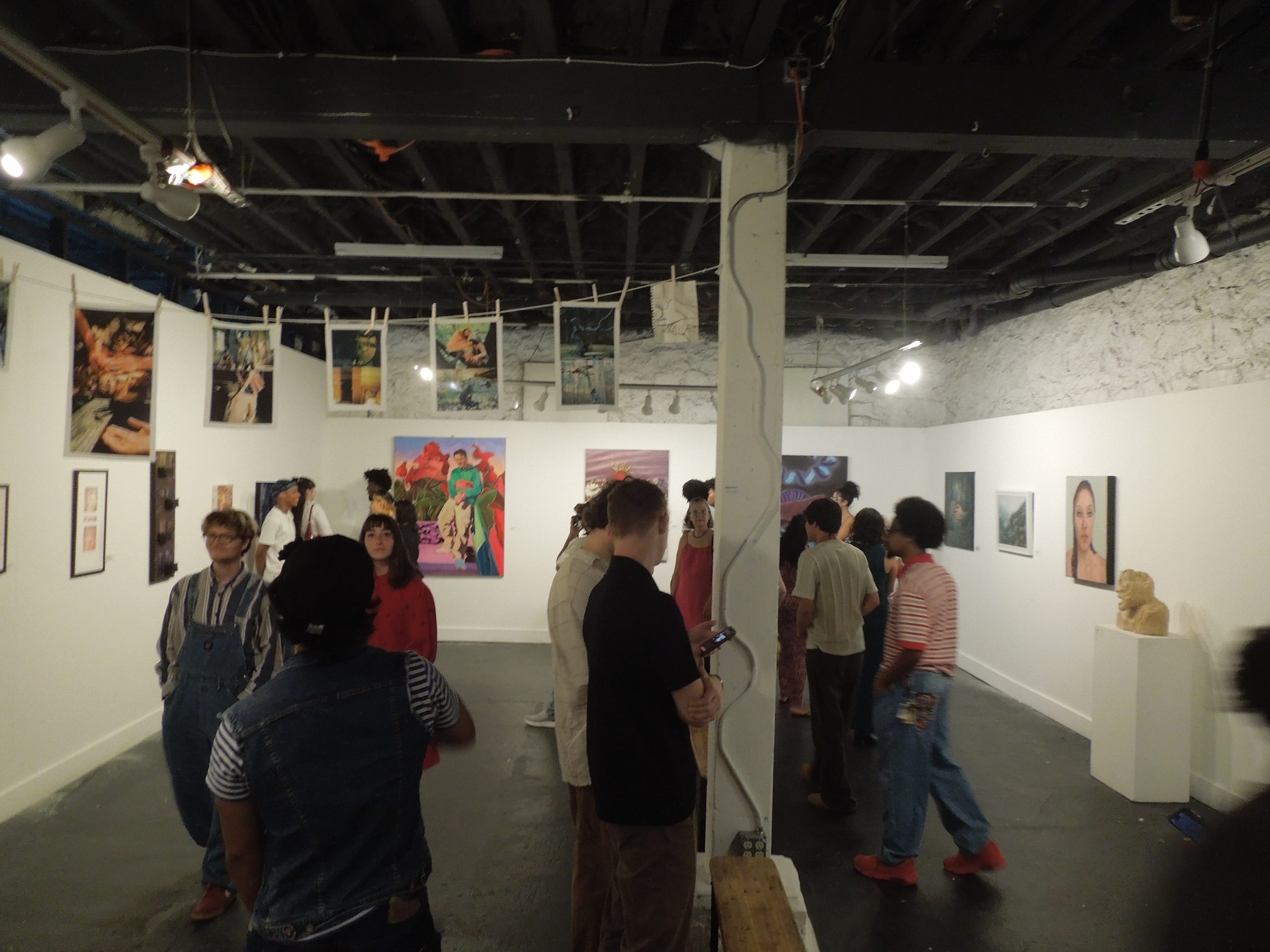
Beyond the endlessly supportive environment of creatives socializing and uniting to celebrate art in all its forms, another of the night’s greatest privileges was speaking one-on-one with some of the artists featured in the showcase. Unique stories could be found everywhere within the walls of the venue, and I invite you to get to know some of the creatives at the show.
The first artist I was able to speak with was Lia Lee, a motion media student studying here at SCAD Atlanta. Her artwork stood out at the exhibition as one of the few to use photography in response to the theme ‘What is Your Fall.’ Lee interpreted “fall” in the prompt as the season of autumn.
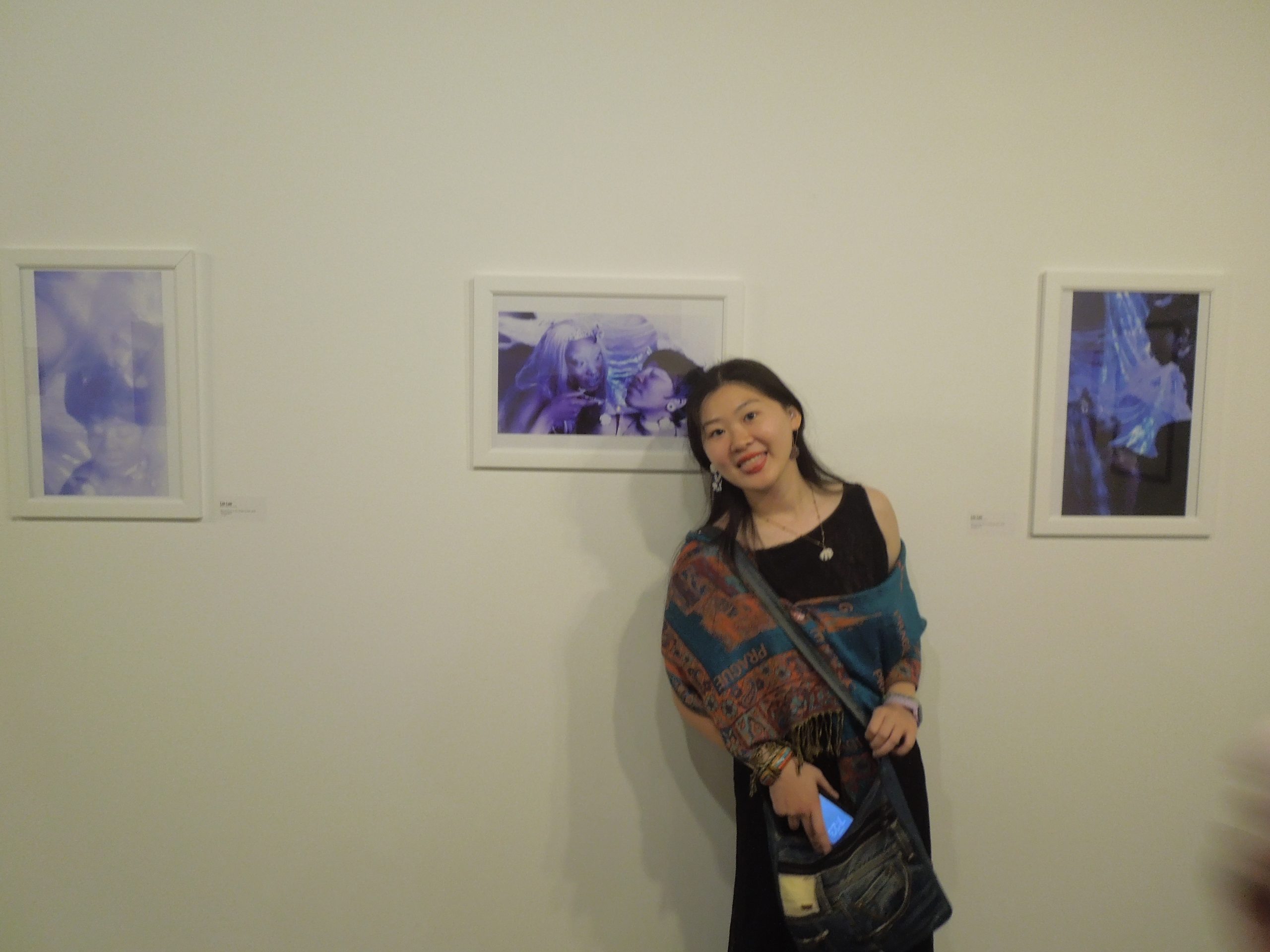
Lee: “So, I sort of interpreted that as a time of decay, but also beauty because autumn is really beautiful. I think it’s a very dual concept.”
With that frame of mind, Lee’s work is a series of three photos featuring models Anya and Emily that delves into a story of love, explores its nuances, and reflects on how romantic relationships between women aren’t always perfect and can face their share of hardships and toxicity. Lee remarked that with the help of her featured models, “We were depicting a sort of sapphic love story together, but also, it’s the dark underside of sapphic love that nobody really talks about a lot of the time.” Tackling the topics and feelings that often go unspoken in the community strongly influenced Lee’s creative process and how she chose to take and edit the photos.
Lee depicts the prompt word “fall” as a season; the imagery and emotion in her photographs mirror autumn’s changing landscape, from living to decaying in an alluring cycle so many of us admire. In observing her three dreamlike images, viewers fall into a world of hazy connection between two characters that starts with seeing them cast a light, airy veil of purple and gradually falling into a deep violet image where they come face to face with who they are and the things that they have done. Butterflies linger throughout the transitional photos, serving as another reminder of the transformation women in relationships may go through as they explore a future that may not always be as warm as they anticipated.
“There’s going to be a lot of underlying feelings in the pictures—slow and subtle,” Lee said. “I wanted to portray that even if something’s really beautiful- if queer love, for example, if it only exists outside the confines of society, if it’s only allowed to be in that small space—it can still become suffocating. So, you do have to choose whether you break free or not, even if this toxic, sweet dream is very alluring. Keywords for my series were butterfly, cocoon, entanglement, and also transformation. The imagery of the photos with the beautiful colors is certainly meant to feel like a dreamlike illusion—it’s very whimsical.”
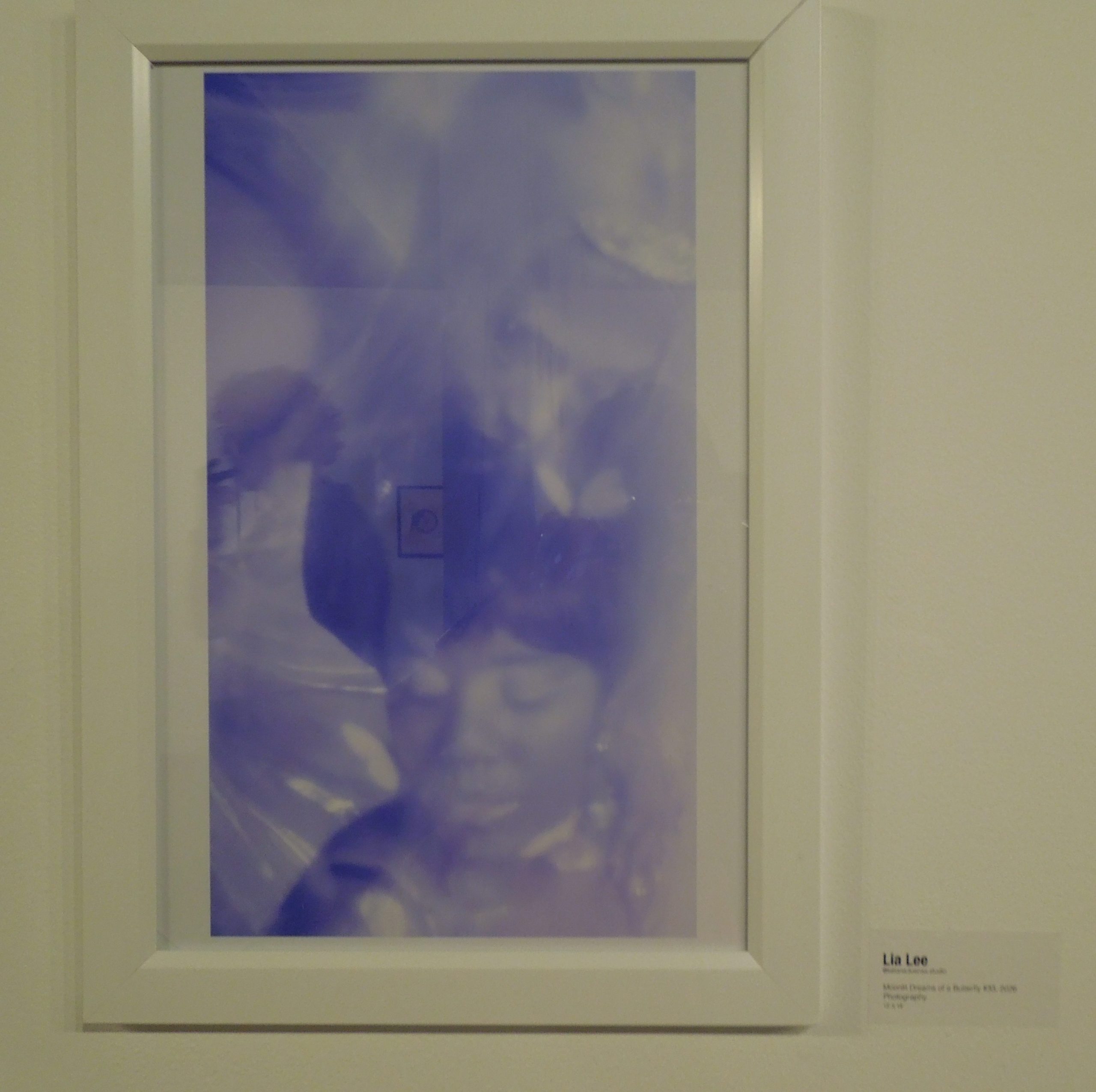
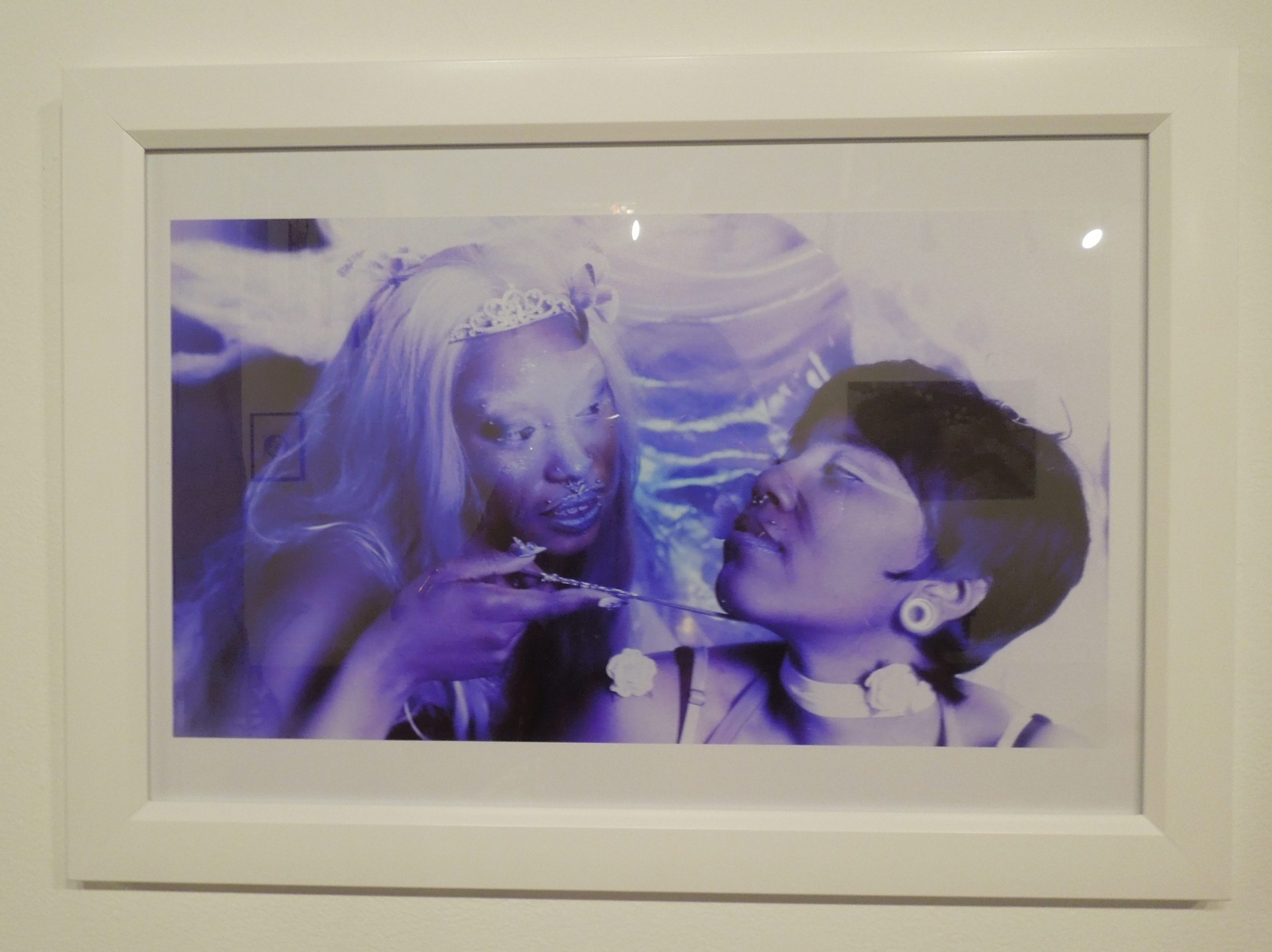
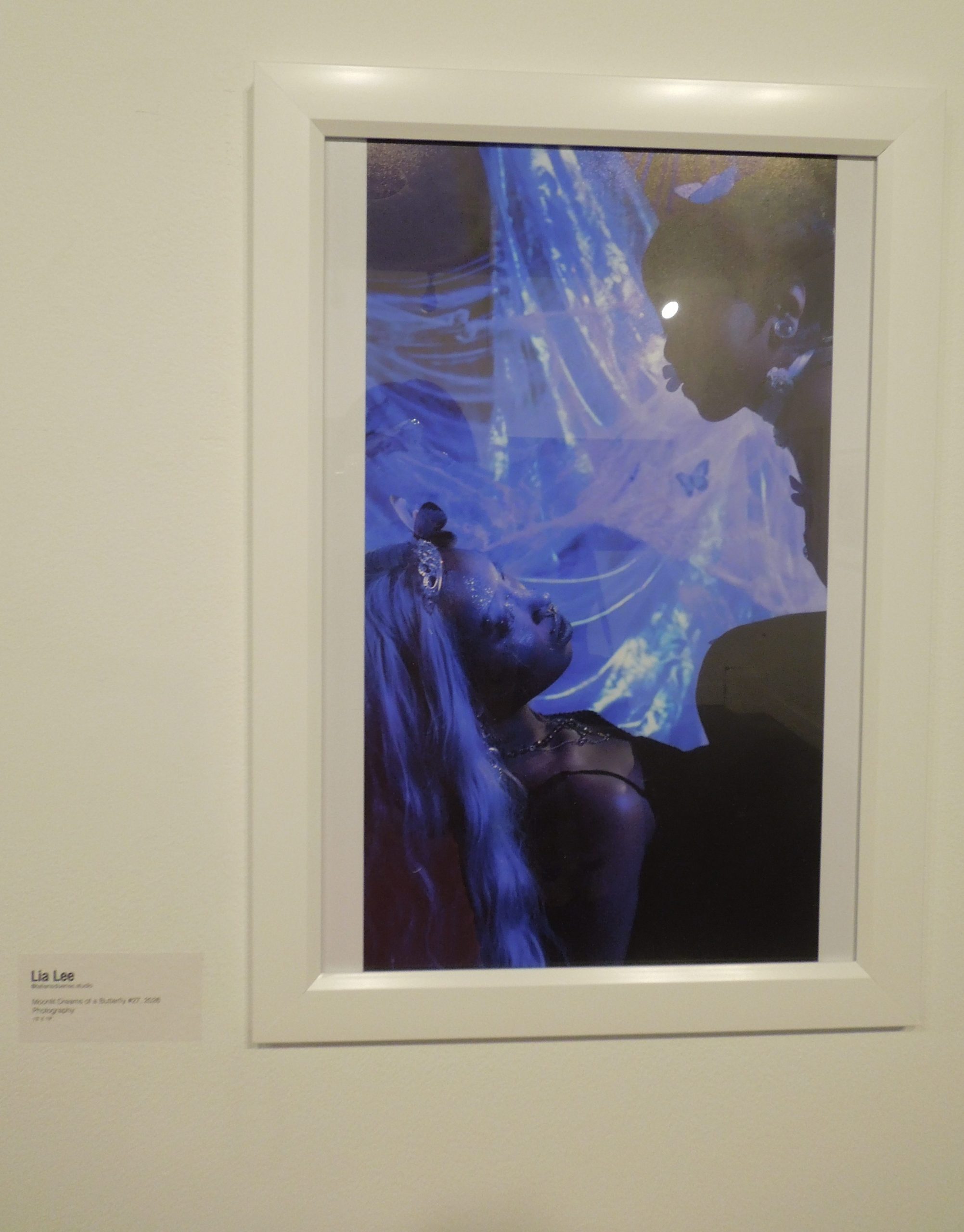
Lee explained that some of her inspiration came from a story she remembered from Chinese culture called Zhou Jonglong, which told a tale about a philosopher who dreamt of a butterfly and which led him to ask himself the question, ‘Did I dream of the butterfly, or did the butterfly dream of me?’
With inspirations ranging from social experience, the changing of seasons, and even ancient stories, the spirit of Lee’s photos really captured the essence of what the beautiful dreams of queer love between women are often thought to be and transformed it into a reflection of the often hard-to-face reality of toxicity within those relationships, all in an illusory three images that leave viewers both fulfilled and full of wonder.
Alongside Lee, other young artists at the showcase responded creatively to the prompt in unique ways, using color to convey different emotions in their work. A young, outgoing painter, Gio Loza, was yet another student artist who’d worked on his piece at SCAD over the summer.
Loza’s oil painting on canvas, titled “Before I could greet you, I woke,” was an eye-catching piece that offered viewers a more complex story each time they looked at a different section. His 36” by 48” painting depicts a lady clothed in white cloth with a red veil covering her eyes and a golden spiked crown on her head. She’s positioned in a field of flowers emerging from all of the plant life surrounding her. In response to the prompt word ‘fall,’ Loza said, “To me, fall means the changing of the seasons, something old becoming something new. So, this piece represents the moment before something new.”
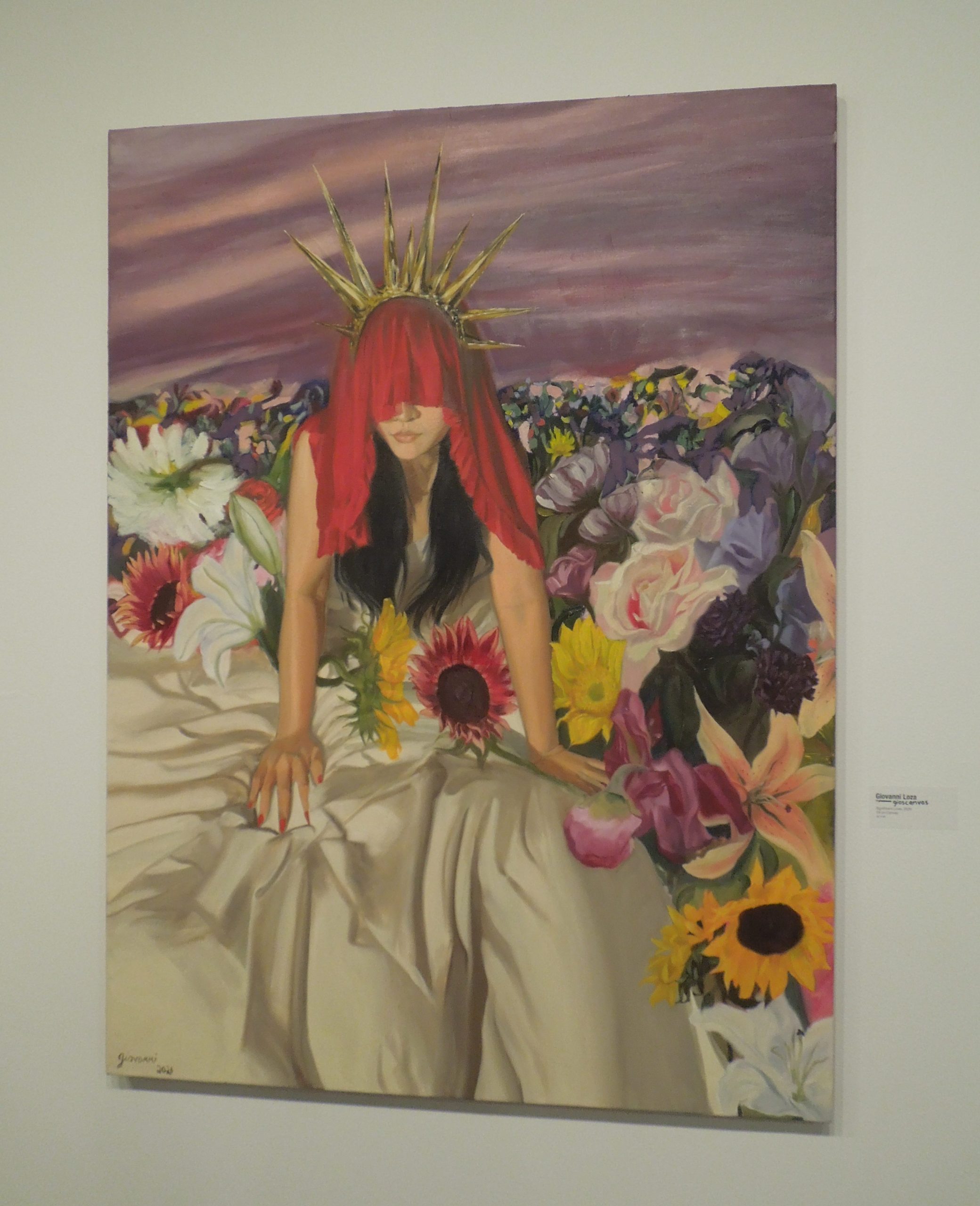
The central figure serves as one of the key focal points of the artwork and draws one’s eye almost immediately, something intentional on Loza’s part. Other intentionalities within the piece reveal themselves through color.
“So, you have the flowers around the figure,” Loza said, “the figure is veiled, and the figure has a crown, which, to me, represents something beautiful and something regal about to come into your life. The red veil is mysterious, and the color red represents something new. The purple background felt more mysterious to me as well.”
Loza opted to leave many of the other featured colors’ meanings in this piece secret, allowing viewers to have the opportunity to search for that meaning themselves, an endeavor that left many, including myself, examining the piece for quite some time. Through color and striking imagery, Loza’s painting captured the moment before metamorphosis, an important detail in his specific approach to the showcase’s theme.
As for other artists, they found self-identity and their own deeply personal experiences growing up to be the catalyst for their creation and the meaning of their individual ‘fall’. Anne Marie Celeste and Leo Harper were two young artists who vulnerably and creatively used who they are as individuals as key inspirations for their artworks.
Anne Marie Celeste defined herself as a deep story admirer who believes that human beings wouldn’t exist without stories.
“A story is like history being passed down,” said Celeste
Celeste explained that, as someone half Scandinavian and half Asian, she often felt she was rejecting half of her identity because she grew up in a very Eurocentric private school. She shared that, as a child, “it was strange to be different, and I didn’t really have a lot of people who looked like me, and had stories like mine.” Celeste described how her unique circumstances and stories helped her connect to the showcase’s theme question. Thinking of ‘fall’ as a time of transition, she focused on the time in fall when things die and the significance of the cycle therein.
“During fall we lose things with the passage of time,” Celeste said. “How people deal and cope with the loss is all different and isn’t always definitively good or bad.”
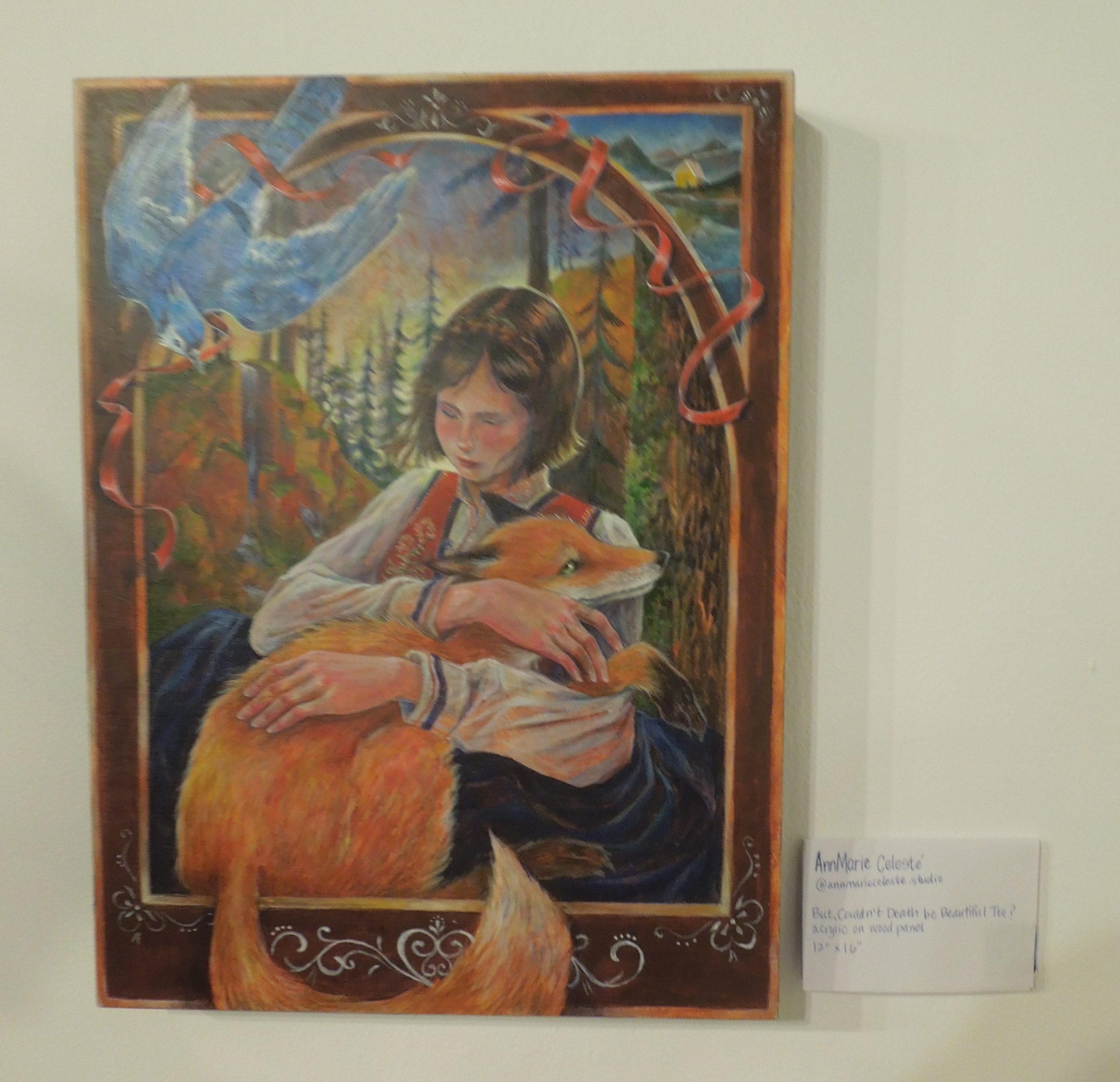
Loss is the painting’s focal point; Celeste depicts a young girl gently holding a fox at a warm sunset. The canvas is framed by an ornate border with a blue bird carrying a spiraling red ribbon, and the rest of the colors are toasty and inviting. The title of her painting, “But, couldn’t death be beautiful too,” gives more direct insight into what the artwork evokes, but Celeste wanted to tell an even deeper story within the small details of the painting.
“I used traditional Norwegian Rosemaling that represents loyalty, around the edges of the frame, and I had many other references as well.”
Celeste’s deep personal appreciation for art history shaped how she crafted the subjects within her artwork. The girl and the fox in the frame represent the connection between humans and their familiars, as seen throughout art history. With that same lens and knowledge, Celeste was highly intentional with how she painted the girl in her piece.
“A lot of times when women are painted,” Celeste said, “it’s almost voyeuristic. Like, we see them, and they don’t perceive it. As a woman, I always want to have some element, some subject in my painting that is looking out for the subjects of my painting. So this fox creature is kind of exiting the borders of the frame, inviting you into it as well, but…it’s got its eye on you too. She’s not alone, and she’s protected.”
Whether the young girl is facing a moment of grief or struggling in her own personal life during this change of seasons, the fox creature comforts her and serves as a reassuring figure. In other areas of the piece, a viewer can find more story information, like that of the small cabin in the top right, and for Celeste, the idea that the story is all captured within the painting for the viewer is a great achievement for her.
“There are all of these details for people to be able to piece together a story, but I don’t really have to be there to say anything. This is an invitation. Step closer and stay with it longer, because the more you look, the more you’re gonna find.”
Leo Harper, another painting student who wanted to tell a story about himself that viewers could see, piece together, and empathize with, shared that he completed his piece in class and that it followed a specific prompt that fit both the showcase and his professor’s request.
Harper: “Everyone had to do a self-portrait, but he (his professor) didn’t just want us to do a self-portrait, draw ourselves, and be done. He wanted us to think really deeply about ourselves and question, like, what comes to mind when I think about me.”
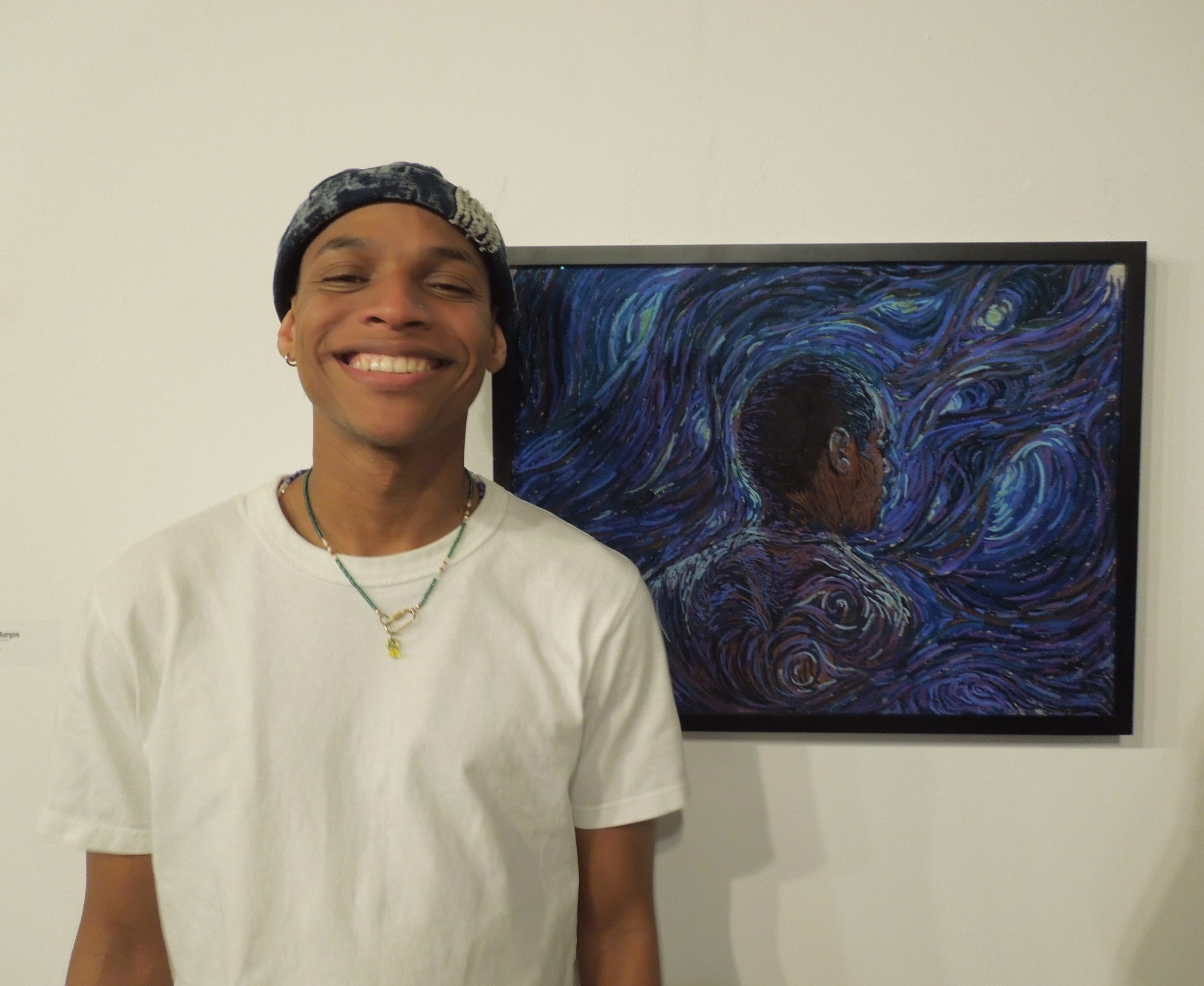
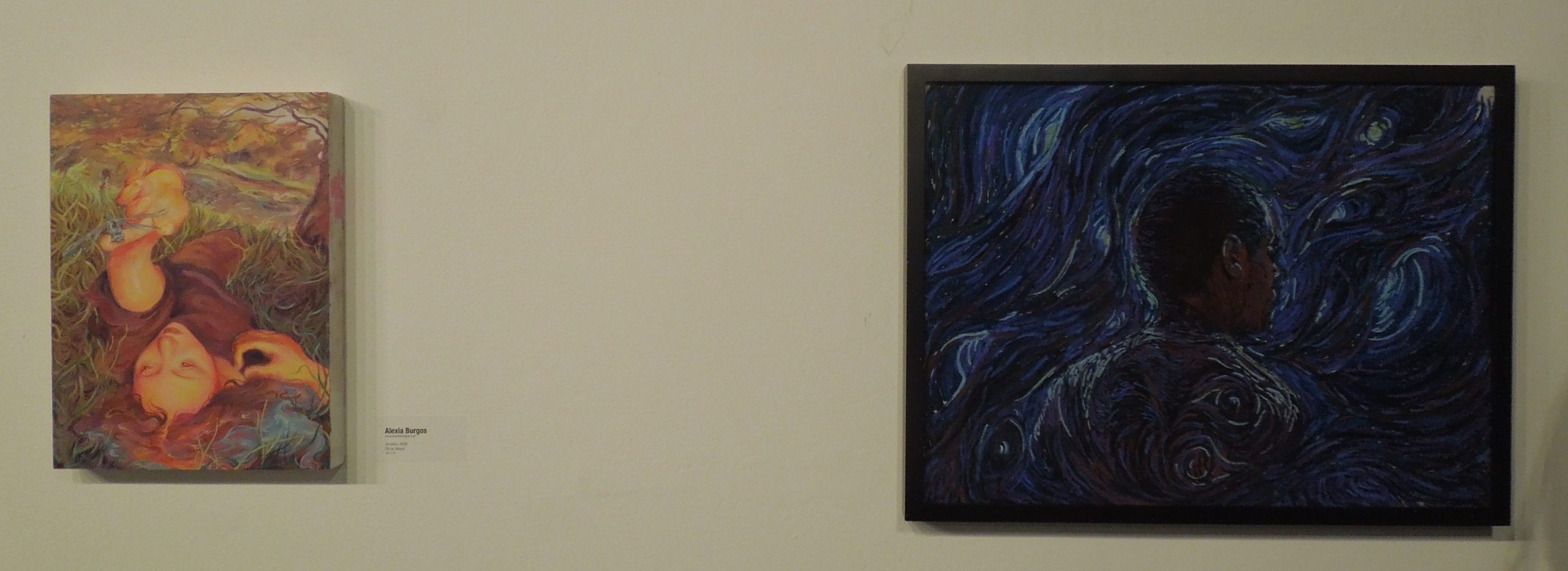
This question led Harper to look deeply into who he is and even focus on what he feared and what he thought was his “fall” in terms of worry. Brainstorming and self-reflection inspired Harper to create his artwork, and he explained that, “I found that in myself, I worry about the gaze of many, the gaze of myself, how I view myself, as well as how others view me.” The fear and fall of being watched helped Harper to create a piece that showed the vulnerability and even the intimidation of being observed, something almost everyone can relate to having experienced sometime in their life. In the painting, Harper depicts himself as a figure in blue turned away from the viewer’s gaze, surrounded by swirls of navy and violet peering eyes.
“There are eyes hidden throughout my work. Some of the eyes are on the outside, and some are even on my own back as well. I found that as I’m coming to change and evolve, I’ve been thinking to myself that what I need to do is shine, and that’s okay; to be seen, and that’d be okay, to find out life. That’s why it’s kind of illuminating me at the end there.”
Harper’s self-figure in the painting is positioned towards a pocket of light, communicating the existence of hope. From fear and darkness, Harper’s work creates light by teaching viewers to embrace their fears instead of letting them hold us back and make us fall.
Overall, every piece featured in the Strictly Human Artist Showcase reflected endless talent and creativity across various areas of art here in Atlanta, but what really makes these artists stand out is their reasoning and purpose. Answering ‘what is your fall’ for them was more than just a theme. It challenged each artist to consider who they are, what they wished to convey, how they feel about changing seasons, and what feeling they want to leave the viewer with after seeing their work. Hearing from Lee, Lazo, Celeste, and Harper, it’s clear that the beauty in art is the difference in works based on the differences between people, and that in itself was the beauty in the showcase.